
Oil & Gas LED Lighting: C1D1 Wellhead and Refinery
Build an upstream, midstream or downstream fixture schedule from the authenticated classification, model-specific records, site conditions and photometric targets.
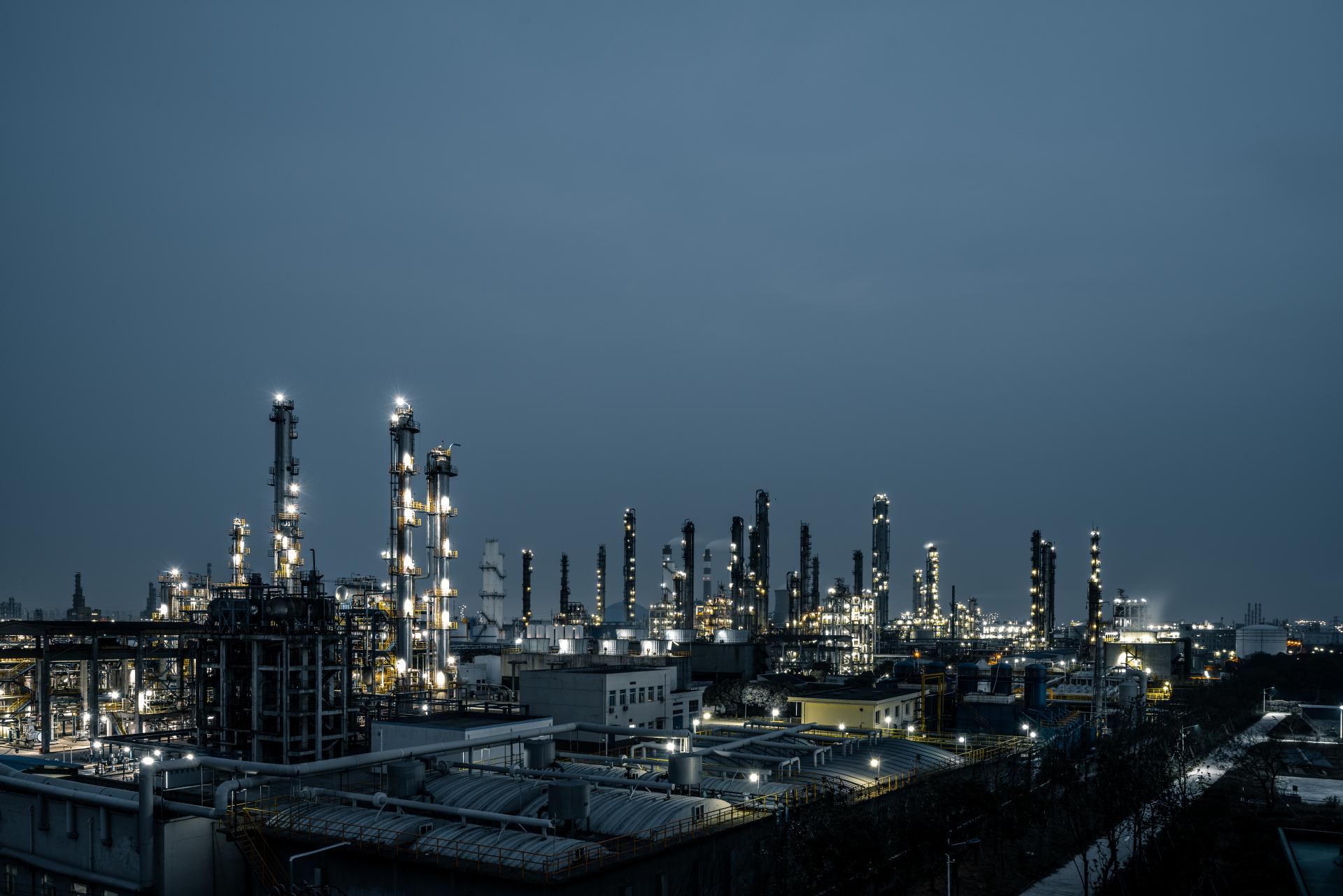
Oil and gas hazardous-location lighting starts with the classification drawing
Oil and gas lighting covers very different spaces: well pads, compressor buildings, tank farms, loading racks, process units and control buildings. The facility name does not determine the fixture rating. The authenticated area-classification drawing does.
CEC Rule 18-004 requires qualified persons to classify and document the location. The documentation must identify the explosive atmosphere, equipment group and minimum ignition temperature. The person taking responsibility authenticates that classification. Section 20 adds prescriptive classifications for occupancies such as gasoline dispensing and bulk storage plants.
For a new Canadian installation, the CEC gives preference to the Zone system. Existing facilities already classified under the Division system may continue to use Division documentation for additions, modifications, operation and maintenance. A Class I Division 1 marking can be accepted in Zone 1 or Zone 2, and Class I Division 2 in Zone 2, only when the CEC group mapping, temperature rating, Canadian approval and remaining conditions match.
Five inputs to collect before selecting a fixture
Ask the project team for:
- The authenticated classification drawing. It should show Zone or Division boundaries, equipment group and minimum ignition temperature.
- Ambient and environmental conditions. Record minimum and maximum temperature, salt, chemicals, vibration, washdown and impact exposure.
- The lighting criteria. Include mounting height, target horizontal and vertical illuminance, uniformity and any glare limit.
- The wiring and mounting concept. Identify conduit or cable, entries, pendant length, guards and access for maintenance.
- Emergency requirements. Treat hazardous-location suitability and emergency-egress performance as separate checks.
A product name such as “C1D1 flood light” narrows the list. It does not finish the specification.
Read the complete product marking
CEC Section 18 requires electrical equipment to suit the explosive atmosphere and the Zone where it will be installed. Check each of these items on the exact model and option:
- the identifying mark of an accredited Canadian certification organization;
- Zone or Division suitability;
- gas or dust group;
- maximum surface temperature or temperature code;
- equipment protection level when the equipment uses Zone markings;
- rated ambient range and any special conditions of use; and
- the manufacturer-approved entry, cable gland, mount and guard.
The temperature check compares the equipment's maximum surface temperature with the minimum ignition temperature documented for the location. Avoid choosing a T-code from a general industry table when the classification drawing provides the project value.
Upstream lighting
Upstream sites may include wellheads, separators, tank vents, drilling equipment and enclosed process skids. Release sources, ventilation and process conditions determine each boundary. One pad can contain Zone 1, Zone 2 and non-hazardous areas within a short distance.
Flood lights often serve open work areas and equipment skids. Linear fixtures suit stairs, walkways and enclosed modules. High bays can cover compressor or process buildings. Select the optic after the hazardous-location marking is confirmed.
For C1D1 flood or high-bay applications, compare the TITAN flood and TITAN high bay. For C1D1 linear applications, review SENTINEL. Final suitability depends on the full model marking and installation.
Midstream lighting
Compressor stations, pump sites, metering buildings and valve yards often combine classified and non-classified spaces. Do not assume the entire site is C1D2 or that every release point creates the same boundary. Use the drawing.
Vibration, cold starts, corrosion and maintenance access can eliminate an otherwise suitable fixture. Confirm the model's ambient range and mounting instructions, then use its IES file to test vertical illuminance around gauges, valves and walking surfaces.
For selected C1D2 or C2D1 applications, compare FORTRESS, VANGUARD and VECTOR linear lighting.
Downstream and terminal lighting
Refineries and terminals contain many process units, loading points, storage areas and access routes. Section 20 applies to certain fuel-dispensing and bulk-storage occupancies; other oil and gas areas rely on the documented classification under Section 18.
Downstream projects often need several distributions rather than one high-output fixture. Flood optics cover yards and equipment faces. Linear fixtures cover platforms and stairs. Emergency units support the egress design where the exact hazardous-location and emergency markings fit.
A photometric model should include the real mounting locations, structures and target work planes. High lumen output cannot compensate for poor aiming, blocked light or weak vertical illuminance.
Installation details that affect acceptance
The luminaire rating is one part of the installation.
- Seals: Rules 18-104 and 18-154 set different Zone 1 and Zone 2 requirements. Enclosure type, ignition-capable components, factory-seal markings, entry method and boundaries determine the seal schedule. A seal is not automatically required at every luminaire.
- Mounting and guards: Rules 18-108 and 18-156 address Zone 1 and Zone 2 luminaires. Check physical protection, threaded stems, anti-loosening means and bracing where applicable.
- Bonding: Rule 18-074 covers bonding of exposed non-current-carrying metal parts in hazardous locations.
- Maintenance: Rule 18-010 requires equipment to remain in its original safe and operable condition. Unauthorized repairs, altered entries and unapproved replacement parts can invalidate certification.
Turn the classification drawing into a fixture schedule
Send LEDEX the authenticated classification drawing, mounting heights, site conditions and lighting targets. We will return candidate part numbers, available Canadian certification records and an IES-based layout for project review.
Use the mounting-height and lumen output guide to screen output packages, then build an early layout in the Photometric Estimator. Treat its output as an estimate. Permits, tenders and final compliance decisions require the project professionals and authority having jurisdiction.
Frequently asked questions
What is C1D1 in oil and gas?
C1D1 means Class I, Division 1. It covers Class I locations where the Division 1 conditions apply, but it does not set a universal distance around a wellhead or process vessel. CEC Rule 18-004 requires qualified persons to document and authenticate the project classification.
Do I need T4 or T5 for refinery lighting?
Neither T4 nor T5 is a universal refinery default. Compare the exact equipment maximum surface temperature or T-code with the minimum ignition temperature in the authenticated classification, including the model's rated ambient range and special conditions.
Are UL 844 and CSA C22.2 No. 137 equivalent in Canada?
Canadian acceptance depends on a certification mark from a certification body accredited for Canada and a record covering the exact model, options, classification, group, temperature, and conditions. Do not infer acceptance from a standards number or certification body name alone.
What temperature rating do Canadian oil & gas fixtures need?
There is no single Canadian ambient range for oil and gas lighting. Use the project's minimum and maximum design temperatures, solar and process heat, wind exposure, and the ambient range on the exact product marking and certification record.
Can LED replace HPS in a working refinery without shutting down?
Possibly, but the facility's electrical safety program, operating state, de-energization requirements, permits, work method, and authority approval control the plan. A C1D1 or C1D2 label alone does not decide whether live operations can continue.
Related resources
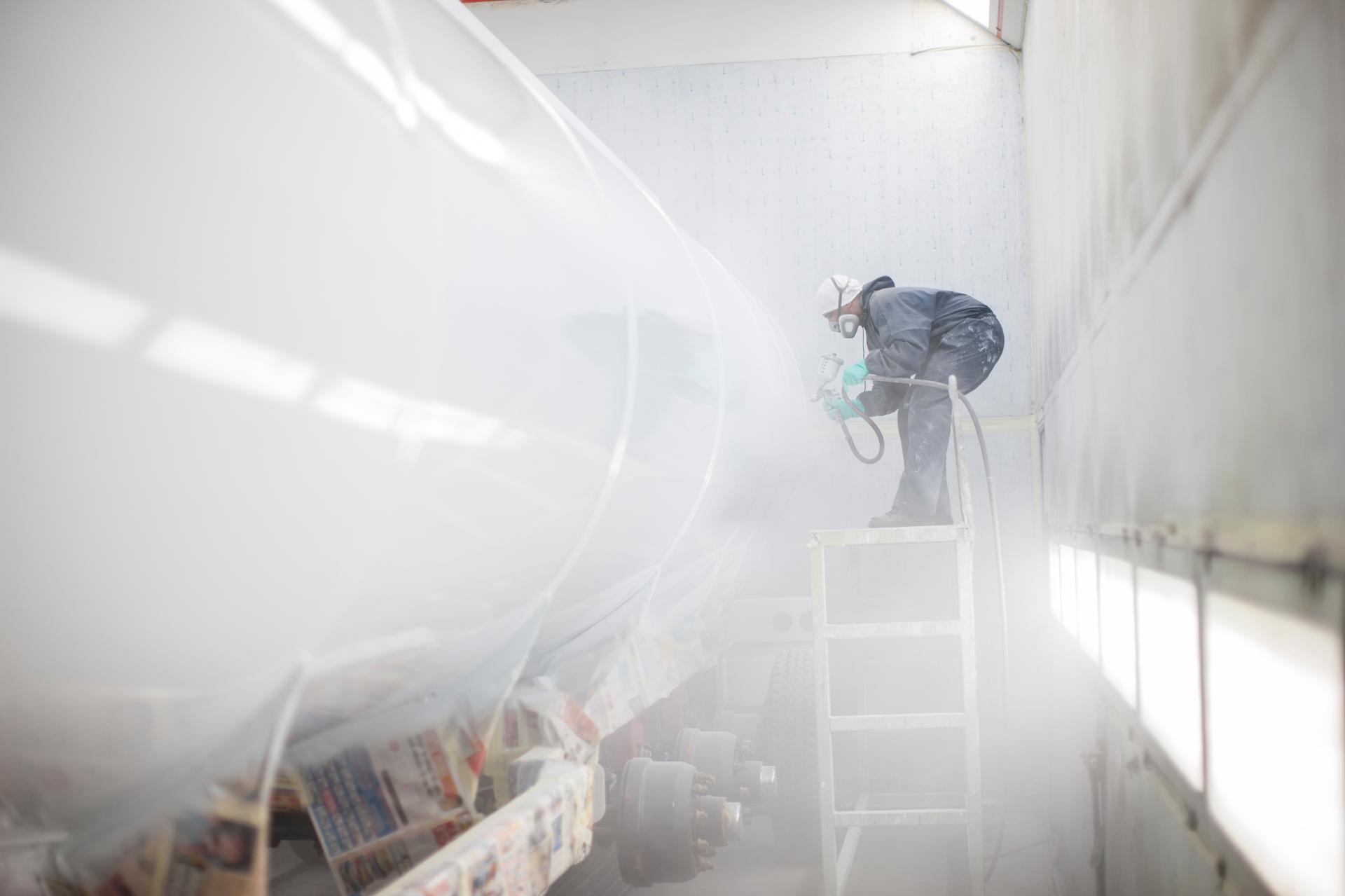
Paint Booth LED Lighting: C1D1 & C1D2 Guide
Apply CEC Section 20 to the actual booth, openings and ventilation, then verify model markings and calculate the layout from the exact IES file.
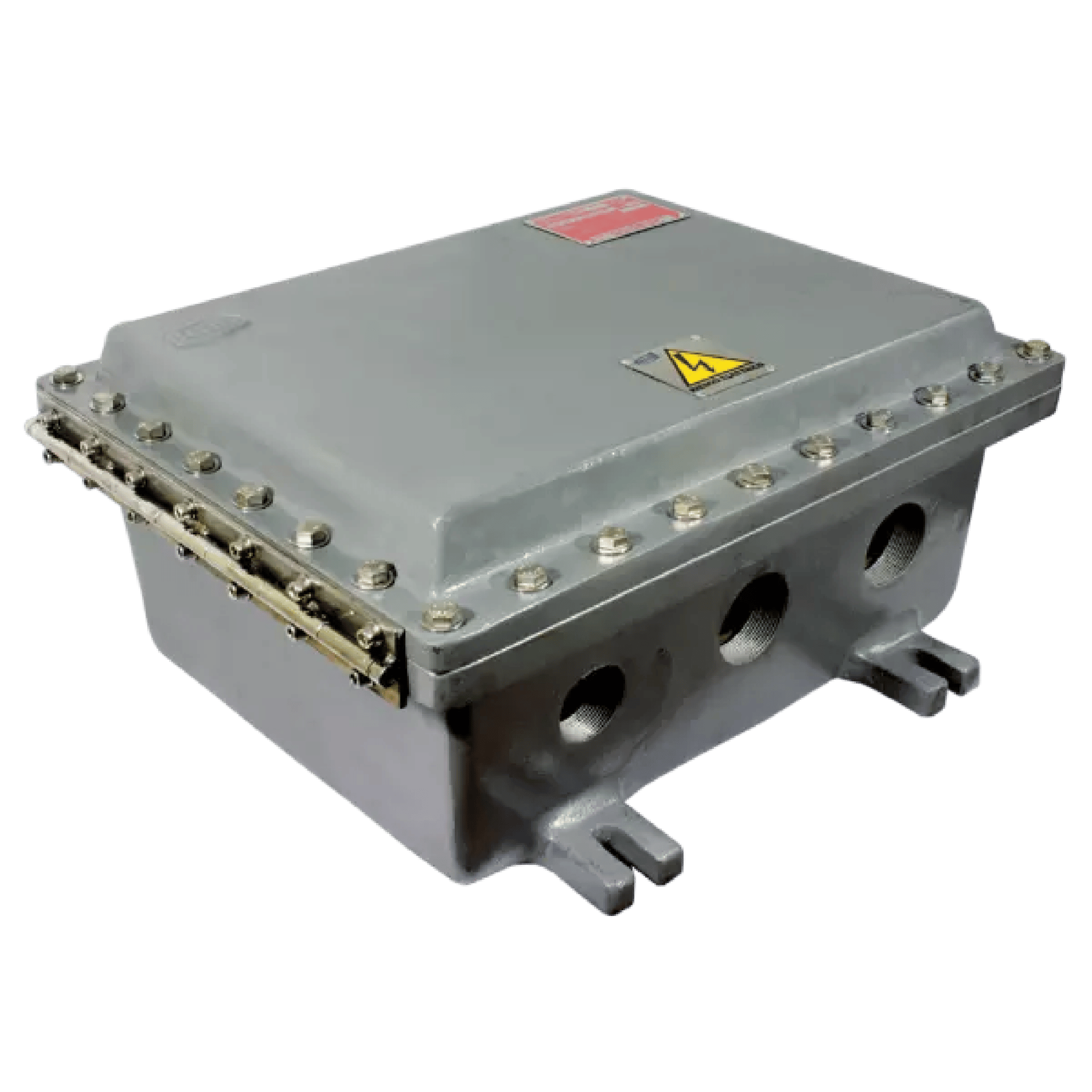
Explosion-Proof Junction Box Selection Guide for Canada
Compare outlet bodies, GUB instrument boxes and bolted enclosures, then verify the exact marking, usable space, entries and seal schedule before ordering.
CEC, Illustrated — Part 1: Anatomy of a Class I, Zone 1 Lighting Installation
Explore a Class I, Zone 1 lighting and small-power diagram with plain-language CEC Section 18 notes for seals, supports, HL cable and flexible cords.