LEDEX Logo
Knowledge hub

Resources for hazardous-location lighting

Explosion-proof concepts, the pitfalls we see most often on real job sites, and technical guides rooted in CSA C22.1 Section 18 — the Canadian code for hazardous locations.

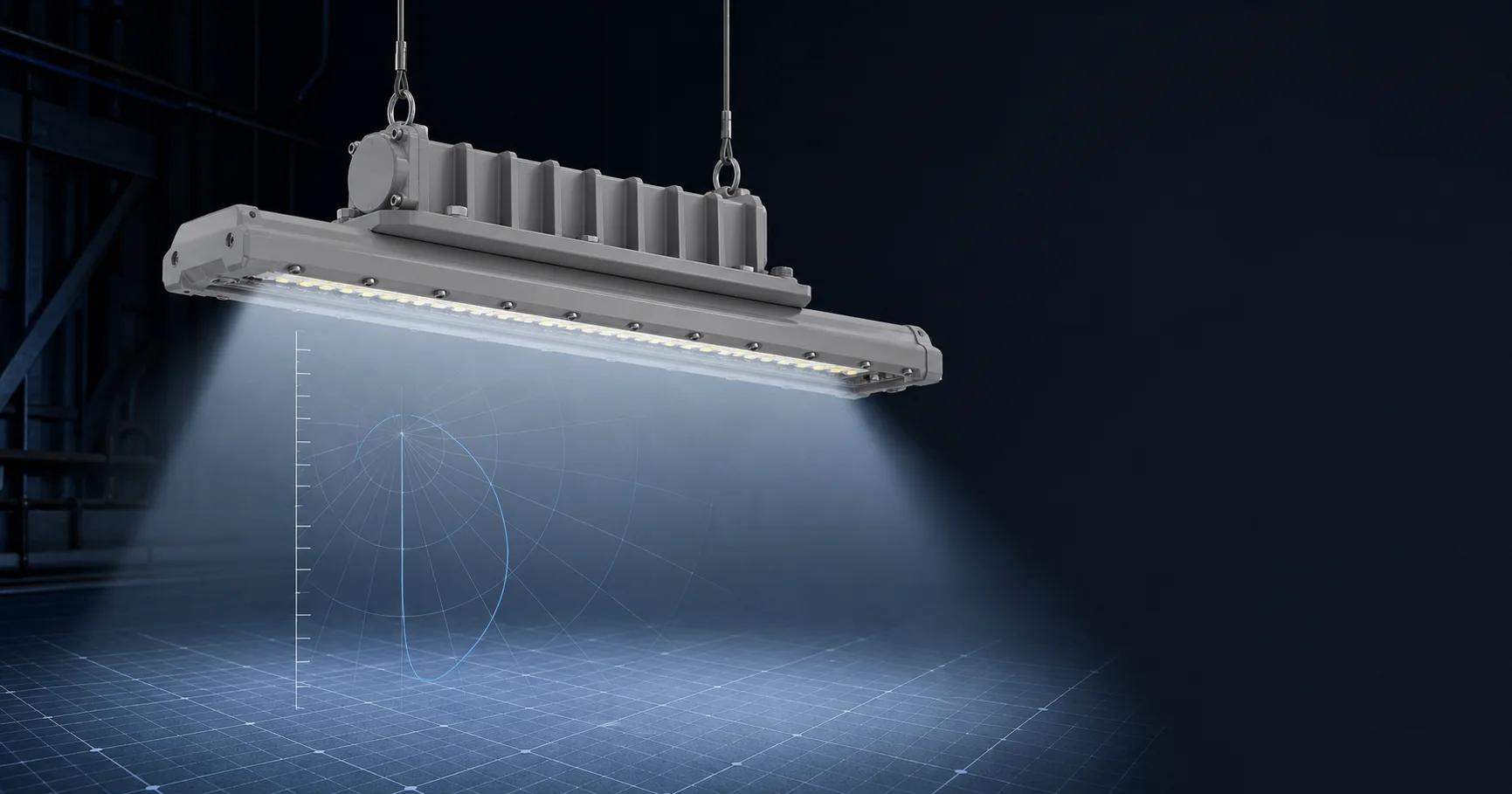
Hazardous-location luminaires: the pendant stem and guard rules people miss
Featured
Pitfall5 min read

Hazardous-location luminaires: the pendant stem and guard rules people miss

Explosion-proof luminaires have their own rule set in CSA Section 18. Here are the specific requirements — guards, pendant stems, bracing, flexible-cord limits — that inspectors catch when the rest of the install is clean.

Read article

Browse the library

Filter by what you need: plain-English concepts, common pitfalls to avoid, or step-by-step specification guides.

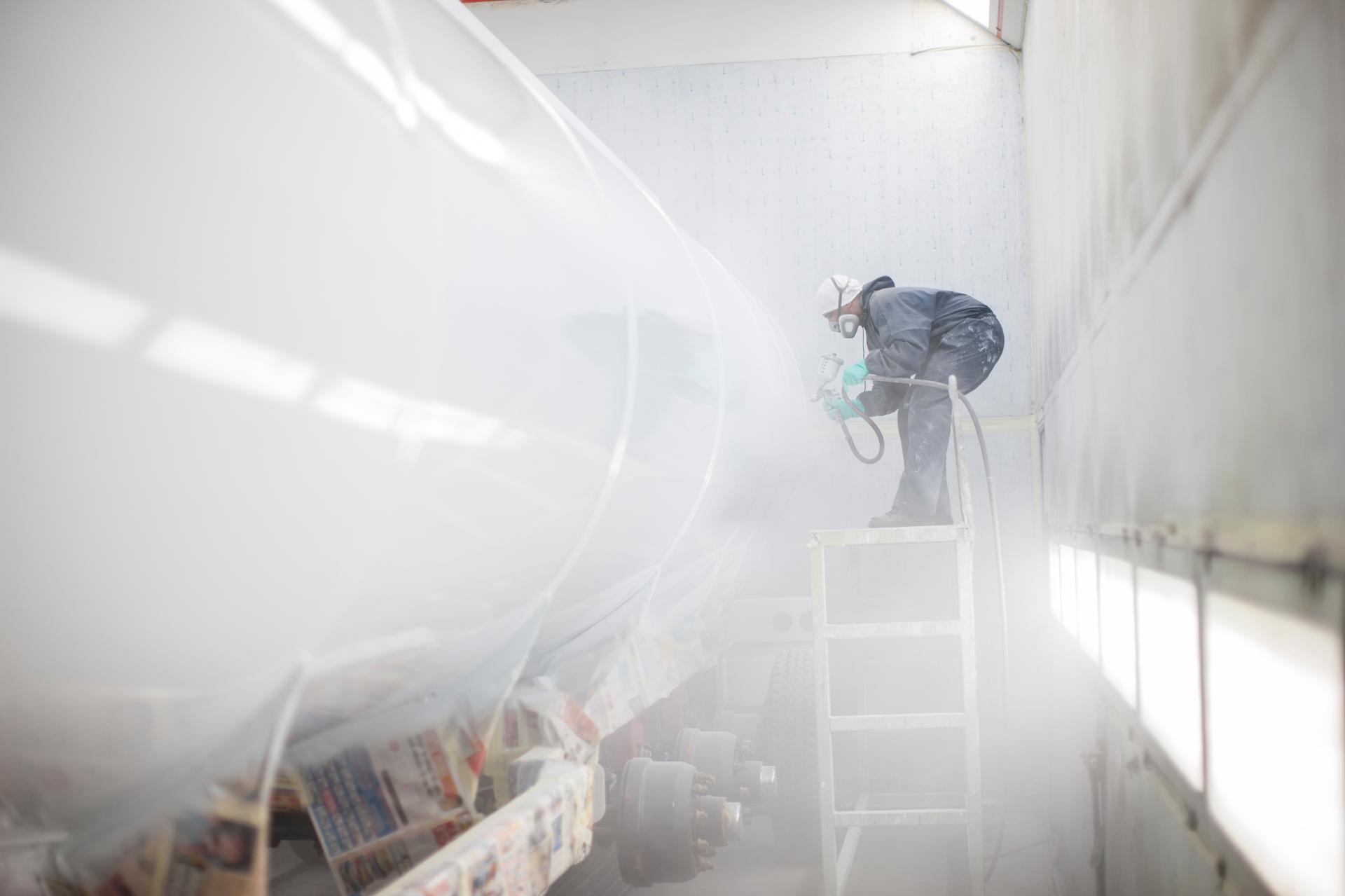
Lighting for Paint Booths — Explosion-Proof LED Solutions for Hazardous Locations
Guide
4 min read

Lighting for Paint Booths — Explosion-Proof LED Solutions for Hazardous Locations

Inside the booth is Zone 1 (C1D1); the area just outside is Zone 2 (C1D2). Here's what the Canadian code requires, the fc targets that matter, and which LEDEX fixtures — SENTINEL (C1D1) and Vector (C1D2) — go where.

Read more
Zones vs Divisions: Canada's two hazardous-location systems, explained
Concept
4 min read

Zones vs Divisions: Canada's two hazardous-location systems, explained

You'll see C1D1, C1D2, Zone 1, Zone 2 on spec sheets — often interchangeably, and not always correctly. Here's what each system actually says, and why the Canadian Electrical Code now leans toward Zones.

Read more
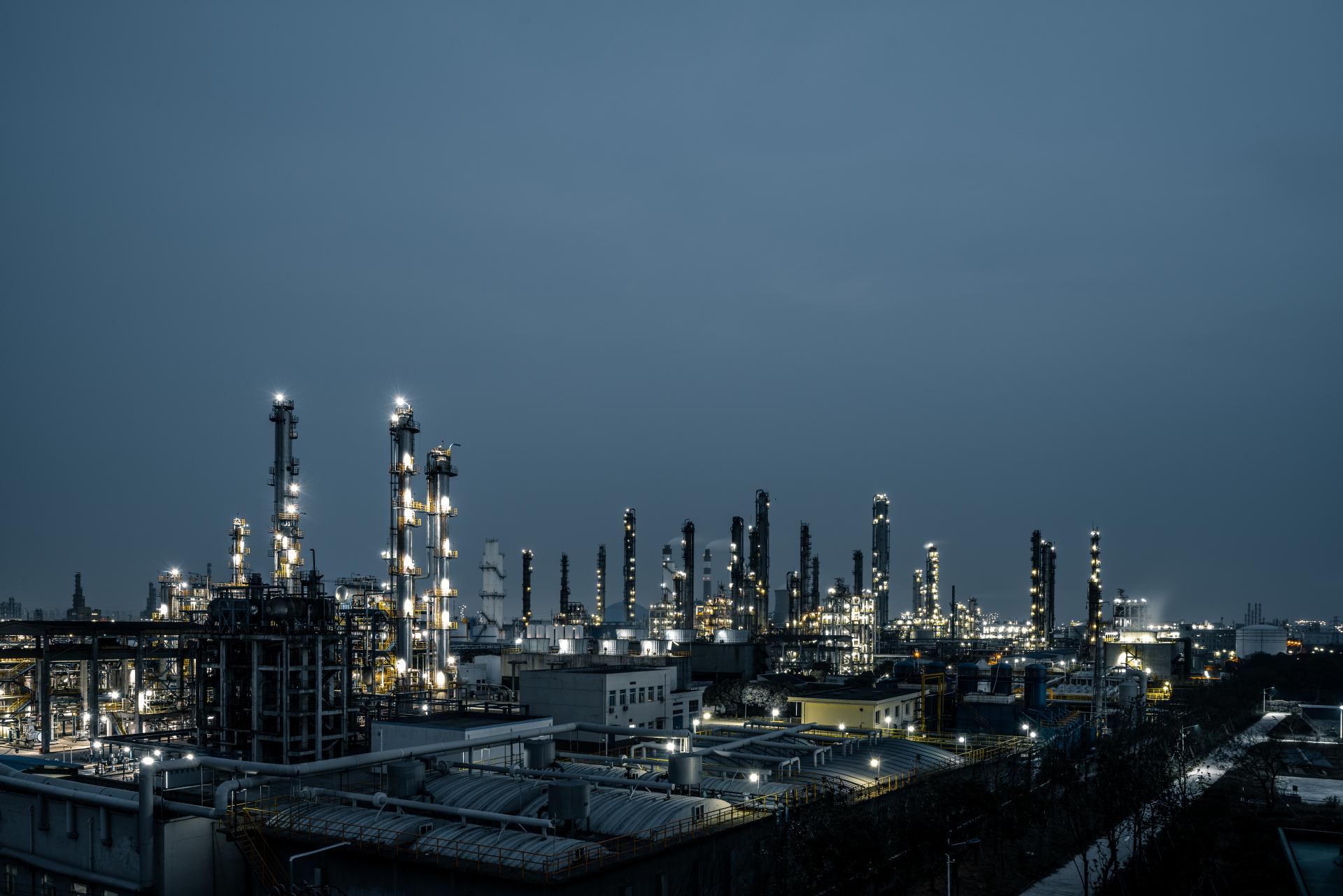
Classes, Divisions, Zones: how Canadian hazardous areas are actually classified
Concept
9 min read

Classes, Divisions, Zones: how Canadian hazardous areas are actually classified

Canada runs two classification systems side by side: Zones (CEC default since 2015) and Class/Division (still allowed for existing facilities, and still on most spec sheets you'll see). Here's both, in plain English, with the CSA and NEC definitions.

Read more
EPLs and T-codes: reading an explosion-proof nameplate
Concept
4 min read

EPLs and T-codes: reading an explosion-proof nameplate

Three pieces of information on a nameplate tell you whether a luminaire is safe for your zone: the Equipment Protection Level, the equipment Group, and the T-code. Here's how to read them.

Read more
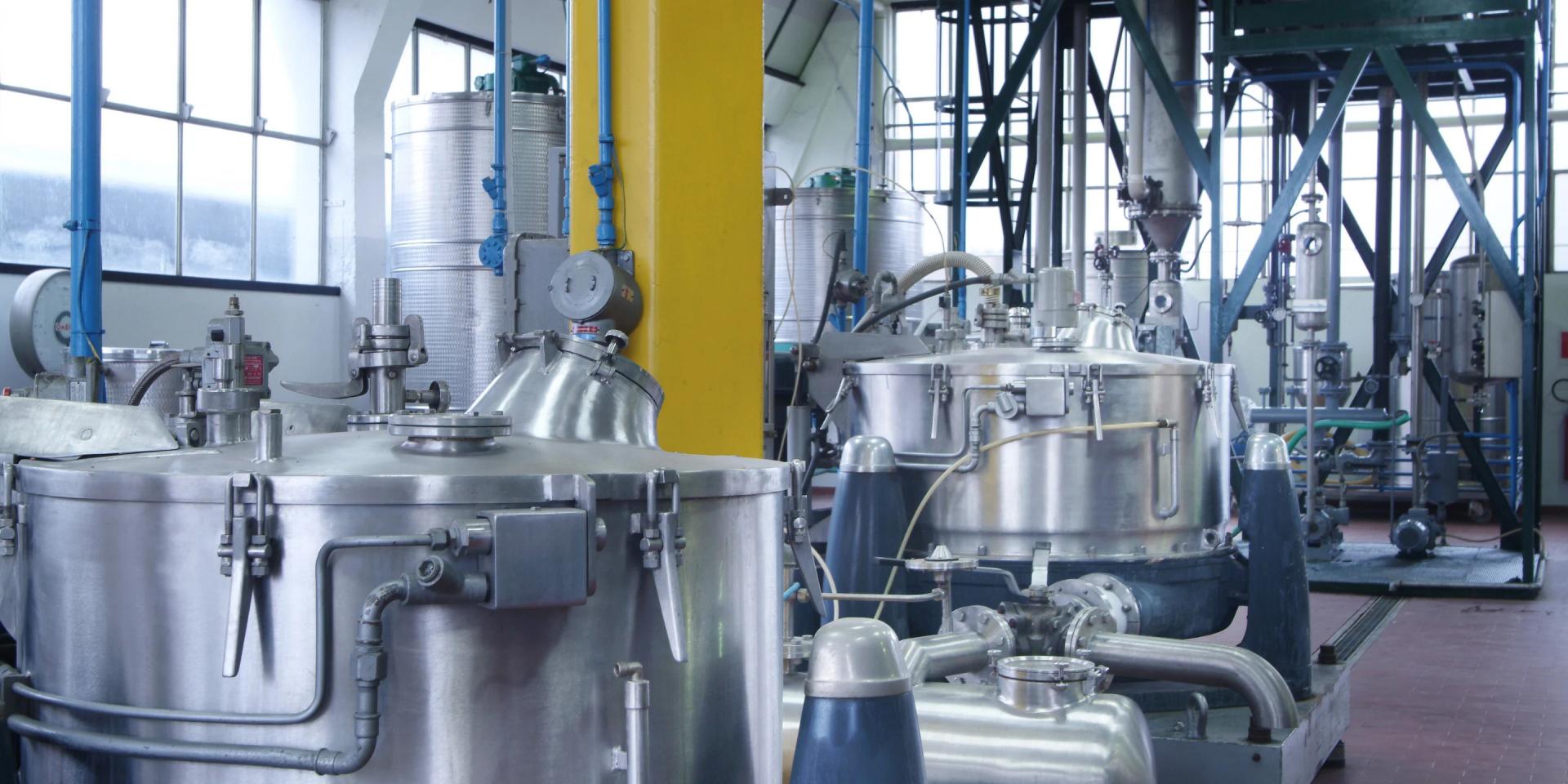
The five Zone 1 sealing mistakes we see most on Canadian sites
Pitfall
4 min read

The five Zone 1 sealing mistakes we see most on Canadian sites

Sealing is where Zone 1 installations quietly go wrong. These are the five recurring mistakes we see most often — each tied to a specific sub-rule of CSA 18-104.

Read more
Hazardous-location luminaires: the pendant stem and guard rules people miss
Pitfall
5 min read

Hazardous-location luminaires: the pendant stem and guard rules people miss

Explosion-proof luminaires have their own rule set in CSA Section 18. Here are the specific requirements — guards, pendant stems, bracing, flexible-cord limits — that inspectors catch when the rest of the install is clean.

Read more