
A location where flammable gas or vapour is normally confined in closed containers or systems and can escape only through accidental rupture, breakdown or abnormal operation; where ignitable concentrations are prevented by positive mechanical ventilation that could fail; or a location adjacent to a Division 1 area from which vapour could migrate. It is defined in CEC Section 18 and NEC Article 500.
Class 1 Division 2 (C1D2) Hazardous-Location Lighting
Class I, Division 2 is the most common classification in Canadian industry: areas where flammable gas or vapour is handled in closed systems and would only reach an ignitable concentration through a leak, a ventilation failure or an upset — the process floor around a Division 1 source, compressor buildings, storage, loading and most of a refinery or plant. Fixtures for these areas do not need explosion-proof construction in every case, but they must carry a Division 2 (or Zone 2) approval for the gas group and temperature code, which is why every LEDEX C1D2 model publishes its marking, ambient range and IES file. This page gathers the FORTRESS, TITAN, VECTOR, SENTINEL, RADIANT, Jelly Jar, VANGUARD, GUARDIAN and BEACON configurations that carry a C1D2 listing, in high bay, low bay, linear, flood, wall-pack and emergency formats.
- Canada-wide project support
- UL & cUL certified models
- IES-based layouts
- Technical fixture review
Product catalog
Filter by classification and fixture type to narrow the range. Every model links to its full specifications, certification records and photometric files.
14 models shown
C2D1C1D2
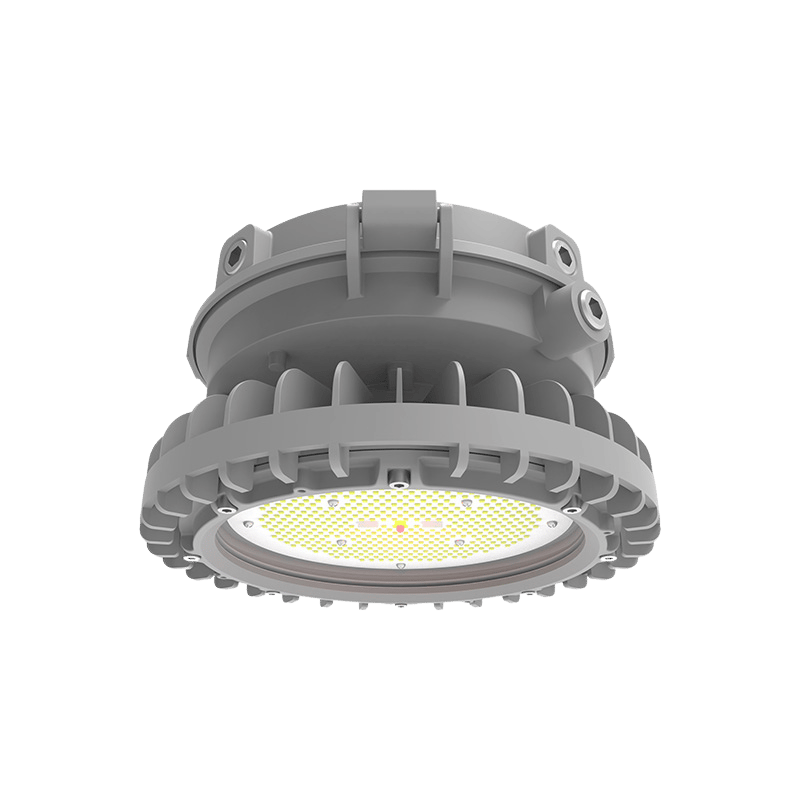
FORTRESS Series - LED Hazardous Location High Bay - C1D2/C2D1
- 40–200 W · 6,800–32,000 lm
- 100-277V / 347-480V
- 10 mounting options
High Bays
C1D1C2D1C1D2
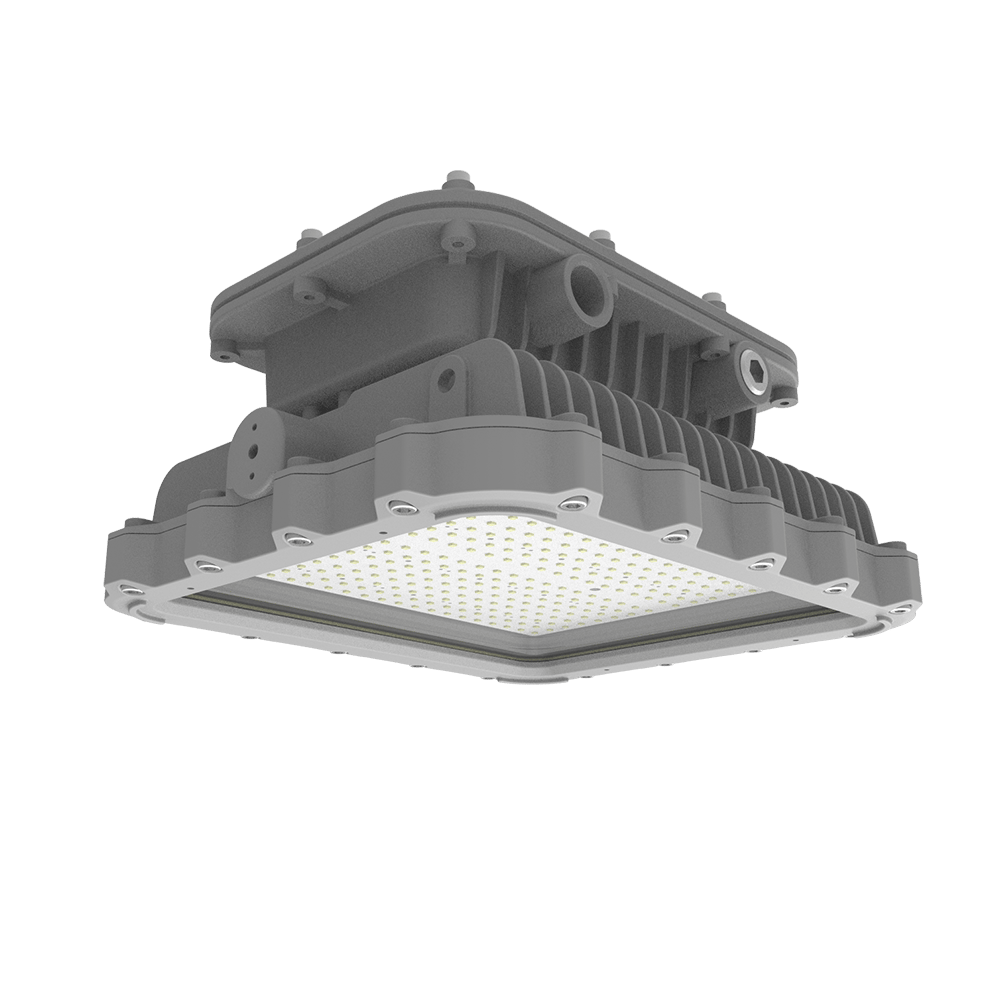
TITAN Series - Explosion Proof High Bay Light - C1D1
- 80–200 W · 12,800–32,000 lm
- 100-277V / 347-480V
- 10 mounting options
High Bays
C2D1C1D2
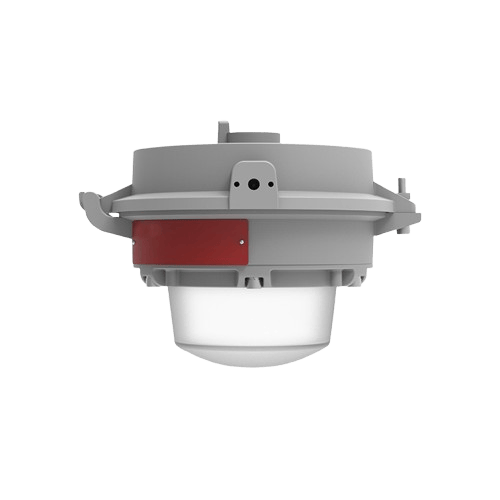
Jelly Jar - LED Explosion Proof Low Bay & Area Light - C1D2/C2D1
- 10–30 W · 1,500–4,500 lm
- 100-277V / 347-480V
- 10 mounting options
Low Bays
C1D1C2D1C1D2
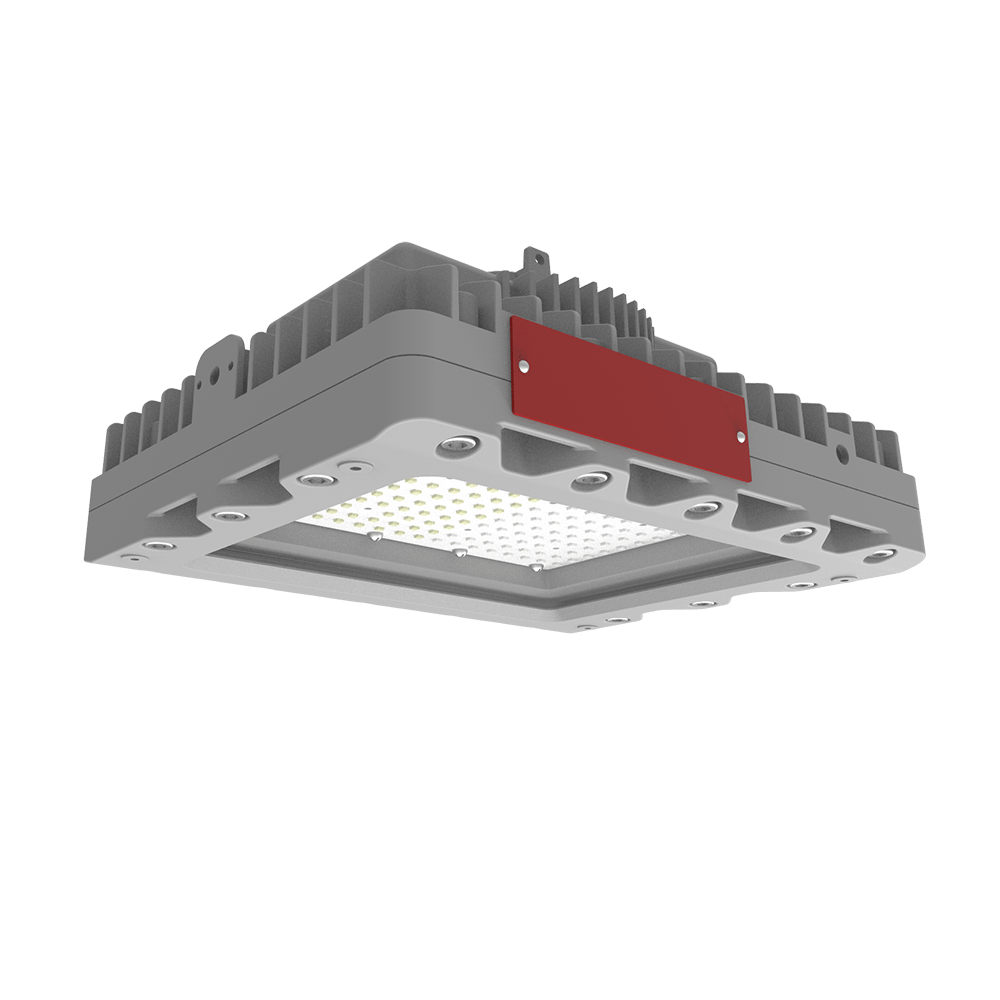
RADIANT Series - LED Explosion Proof Low Bay & Area Light - C1D1
- 20–60 W · 3,200–9,600 lm
- 100-277V / 347-480V
- 9 mounting options
Low Bays
C2D1C1D2
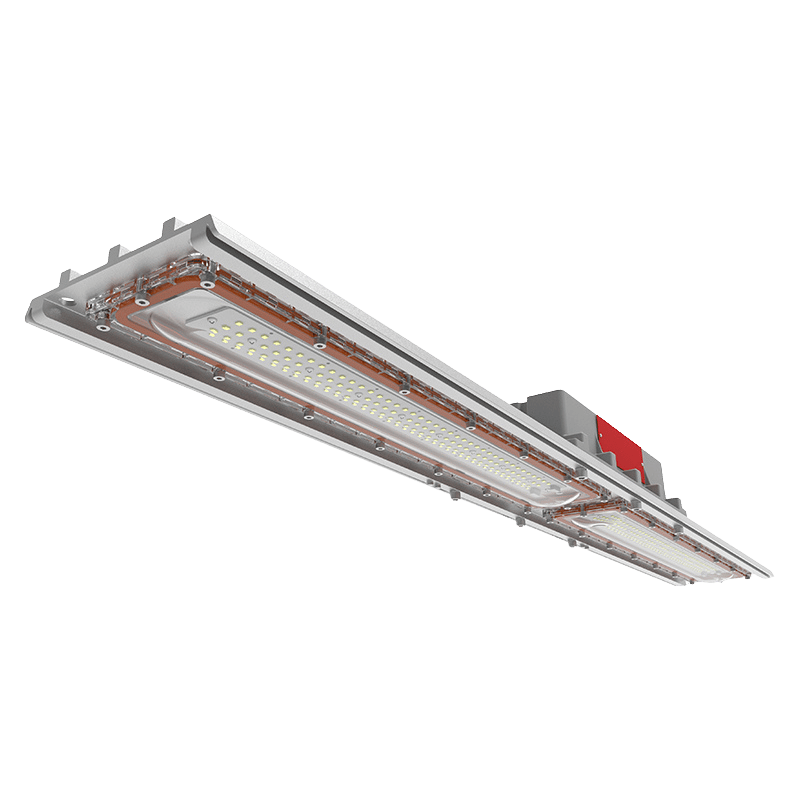
VECTOR Series - LED Hazardous Location Linear Light - C1D2/C2D1
- 30–80 W · 5,100–13,600 lm
- 100-277V / 347-480V
- 11 mounting options
Linear Lighting
C2D1C1D2
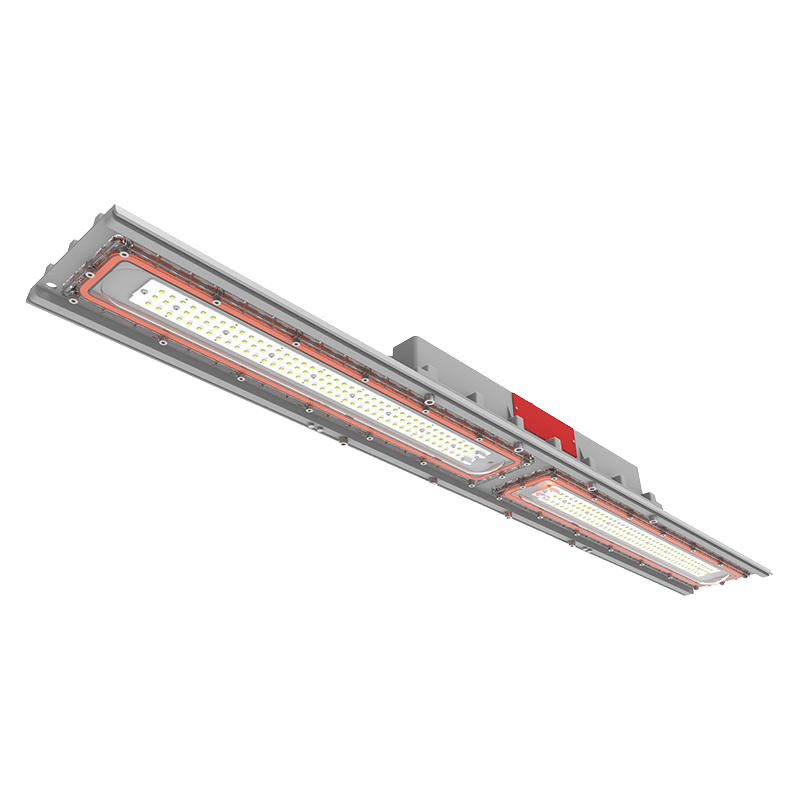
VECTOR Series Emergency Battery Back-up - LED Hazardous Location Linear Light - C1D2/C2D1
- 30–80 W · 5,100–13,600 lm
- 100-277V / 347-480V
- 11 mounting options
Linear Lighting
C1D1C1D2C2D1
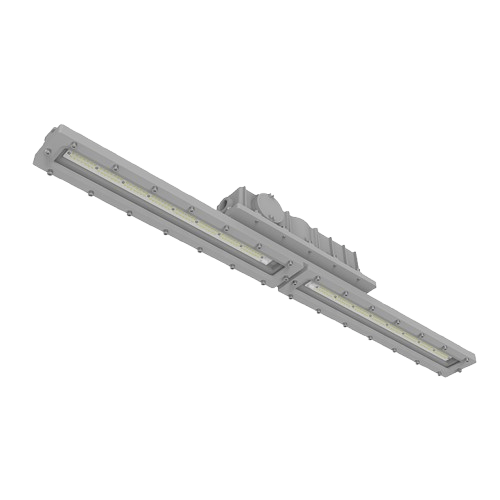
SENTINEL Series - Hazardous Location LED Linear Lighting - C1D1
- 20–100 W · 3,400–17,000 lm
- 100-277V / 347-480V
- 12 mounting options
Linear Lighting
C2D1C1D2
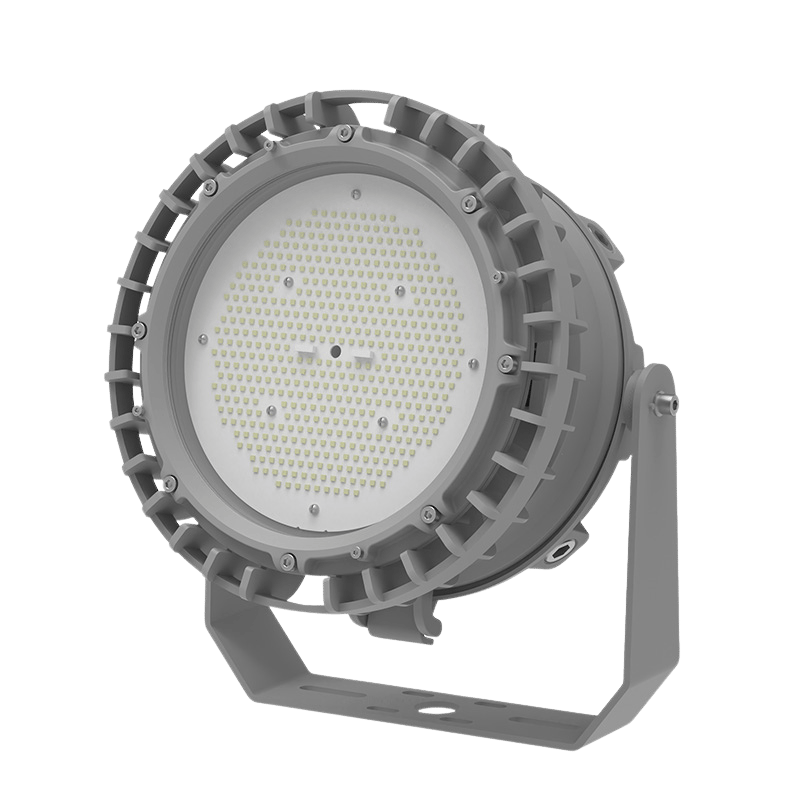
FORTRESS Series - LED Explosion Proof Flood Light - C1D2/C2D1
- 40–200 W · 6,800–32,000 lm
- 100-277V / 347-480V
- 10 mounting options
Flood Lighting
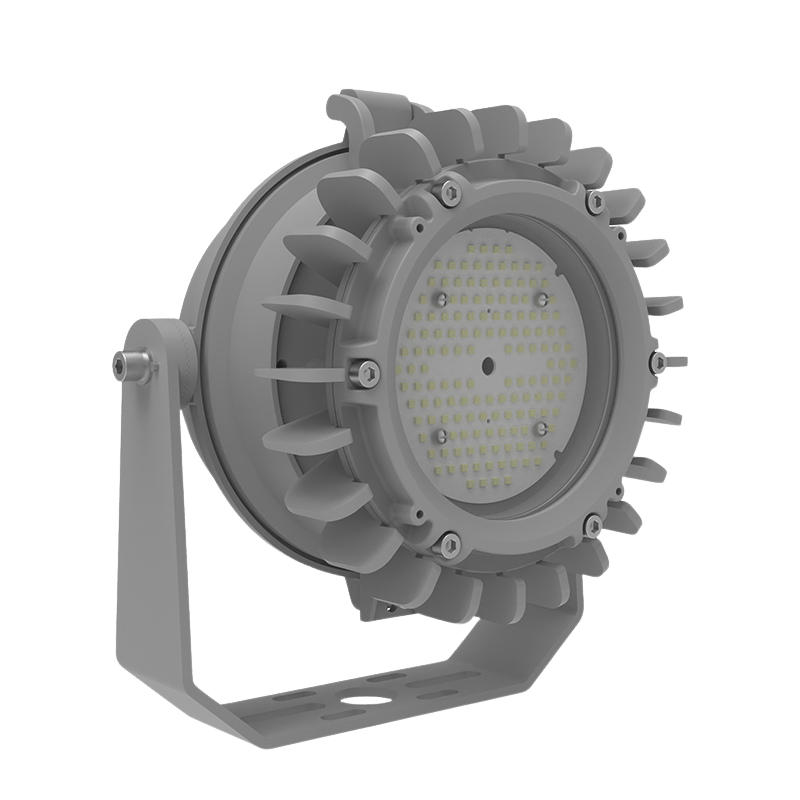
C2D1C1D2
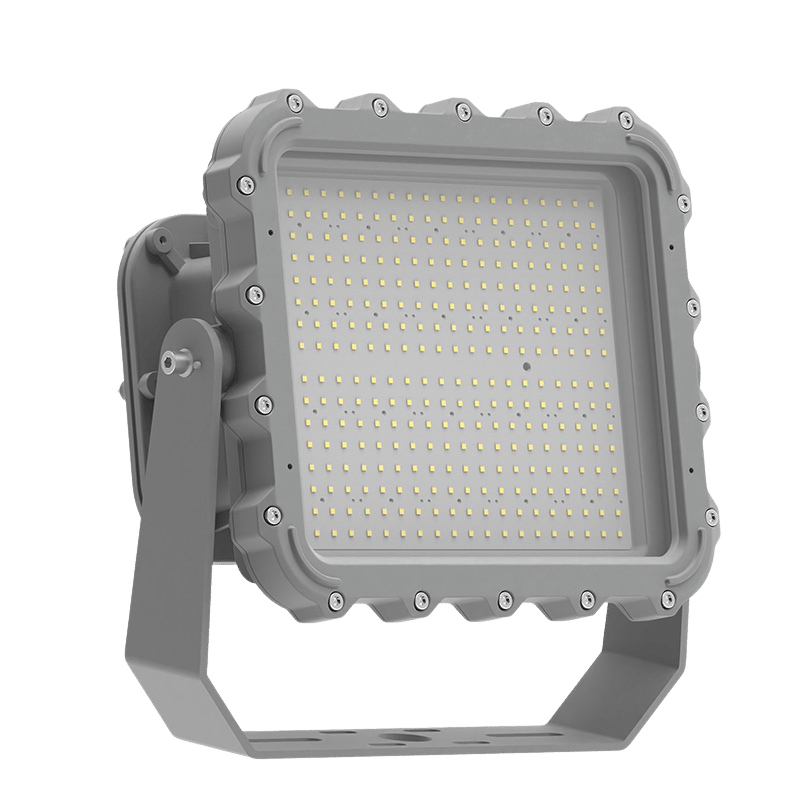
VANGUARD Series - Hazardous Location LED Flood Light - C1D2/C2D1
- 40–60 W · 6,000–9,600 lm
- 100-277V / 347-480V
- 10 mounting options
Flood Lighting
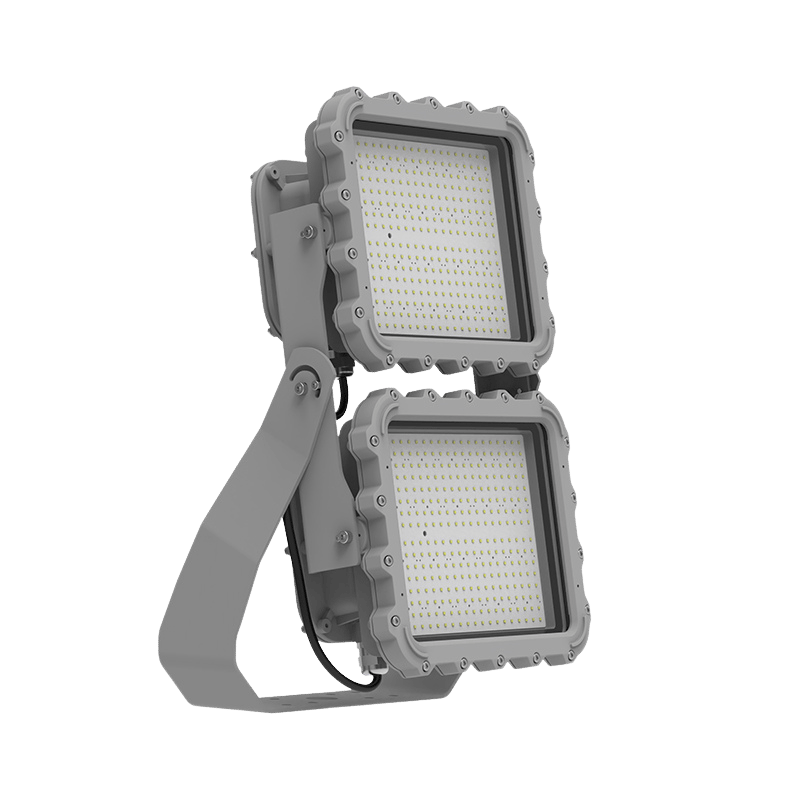
C1D1C2D1C1D2
TITAN Series - Explosion Proof Flood Light - C1D1
- 80–200 W · 12,800–32,000 lm
- 100-277V / 347-480V
- 10 mounting options
Flood Lighting
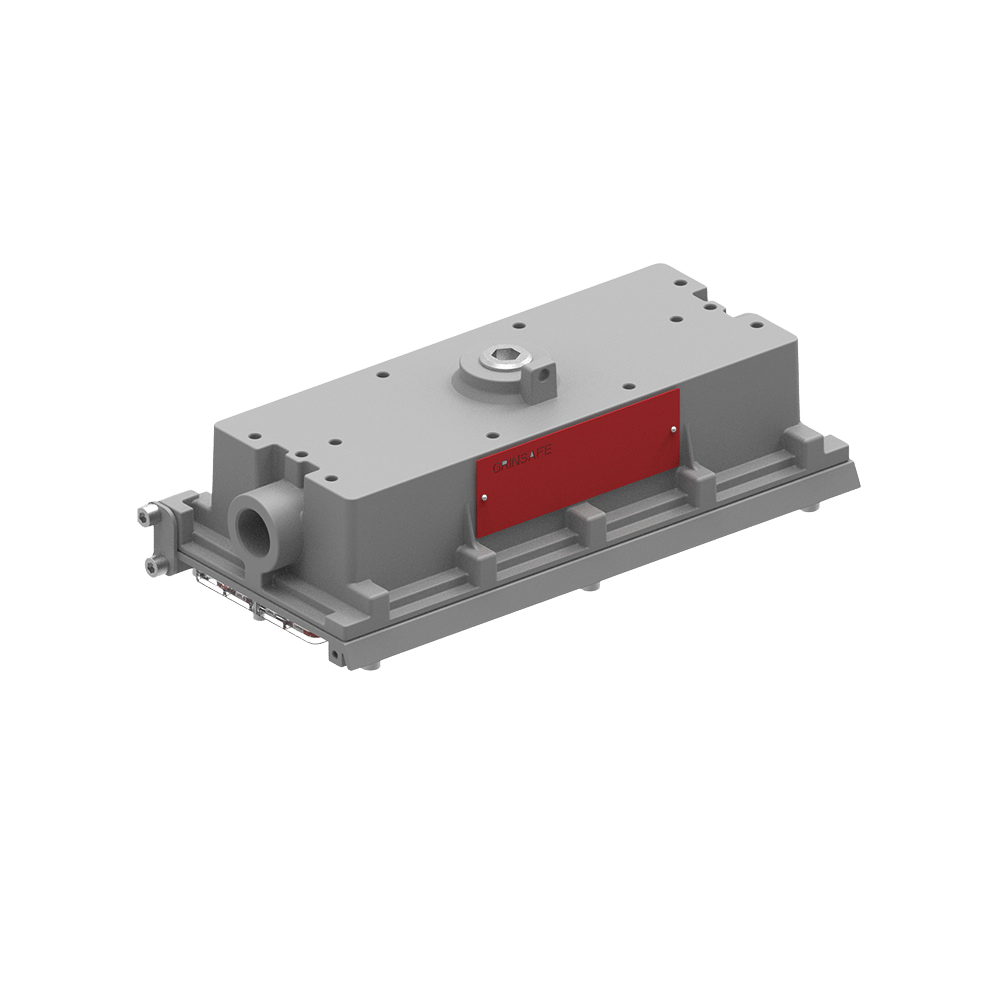
C2D1C1D2
TITAN Series - Modular LED Explosion Proof Flood Light - C1D2/C2D1
- 300–400 W · 48,000–64,000 lm
- 100-277V / 347-480V
- Angled bracket (Floodlight) / Straight bracket (Bay light)
Flood Lighting
C2D1C1D2
LED Hazardous Location Wall-Pack Light
- 20–30 W · 3,300–4,950 lm
- 100-277V
- 4 mounting options
Wallpack Lighting
C1D2
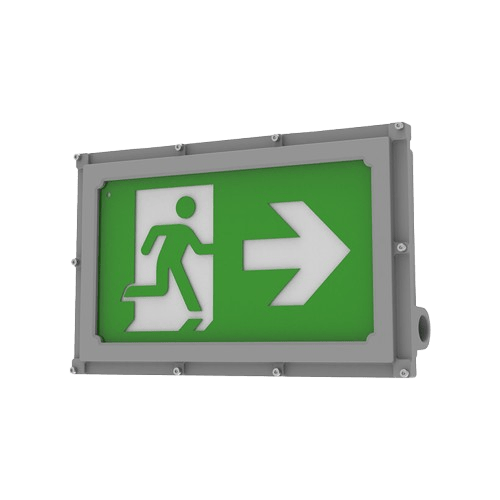
BEACON Hazardous-Location Emergency Light — C1D2
- 100-277V/AC
- Wall mount
Emergency Lighting
C1D2
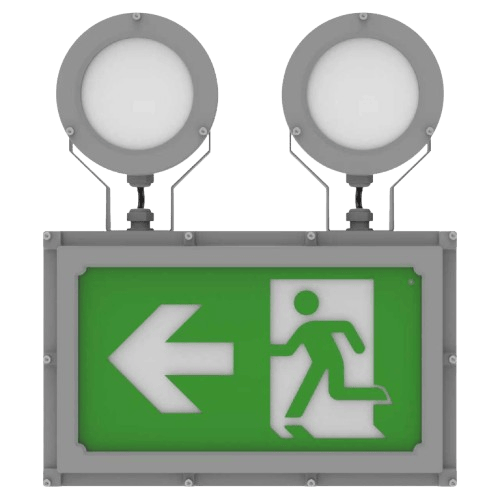
BEACON Hazardous-Location Exit Sign & Emergency Light Combo
- 100-277V/AC
- Wall mount
Emergency Lighting
Compare available models
Compare classification, output and voltage across the models in this category. Full marking details, Canadian certification records and IES files are on each product page.
Typical Applications
- Process units, pipe racks and compressor buildings outside Division 1 radii
- Pump houses, tank farms, loading racks and truck bays
- Aircraft hangars, fuelling areas and maintenance bays
- Paint booth exteriors, mixing-room surrounds and finishing lines
- Pharmaceutical and chemical packaging where solvents are present
- Battery rooms, laboratories and gas-fired utilities
Specifications at a glance
- Class I Division 2 marking per model, accepted in Zone 2 per CEC Section 18
- Many models also carry C2D1 (combustible dust) and Class I Division 1 markings
- Integral emergency battery options on FORTRESS and VECTOR configurations
- Outputs from 3,300 lm wall packs to 68,000 lm modular floodlights
- IES files and photometric layout support for every listed model
Choosing a C1D2 fixture
Division 2 leaves more room to optimise for light quality and cost than Division 1 — as long as the approval covers the location.
- 1
Confirm the boundary
Division 2 areas usually surround a Division 1 source. Check where the fixture actually sits; a fixture that straddles a boundary must meet the stricter classification.
- 2
Check group, T-code and ambient
The marking must cover the gas group and temperature code on the drawing at the site's ambient range. Low-temperature starts and 55 °C-plus ambients narrow the field.
- 3
Pick the format for the geometry
High bays above 7 m, low bays and linears for booths and mezzanines, floods for yards and skids, wall packs at doors, emergency and exit units on egress routes.
- 4
Add emergency where the route needs it
Battery-backed FORTRESS and VECTOR models cover normal and egress lighting from one C1D2 fixture; BEACON handles exit identification.
Related Industries
Related selection guides
Zones vs Divisions Hazardous Locations Canada
Zones vs divisions hazardous locations Canada questions show up on specs, drawings, and nameplates. This guide explains how the two systems map and when each one controls.
Hazardous Location Classification Canada
Understand Canadian gas and dust Zones, how retained Divisions relate, who documents the classification and which complete markings equipment selection needs.
Explosion Proof Nameplate T-Code and EPLs
An explosion proof nameplate T-code, EPL, and group marking tell you whether a luminaire fits the zone and atmosphere. Here is how to read the markings before you buy.
Frequently Asked Questions
Common questions about class 1 division 2 (c1d2) hazardous-location lighting and hazardous location requirements.
Get your fixture schedule reviewed
Send the classification drawing, fixture schedule or lighting requirements. We will compare suitable models, applicable records and lead times before quoting.
