
Under CEC Section 18 and NEC Article 500, Class I covers flammable gases and vapours. Division 1 applies where an ignitable concentration exists under normal operating conditions, exists frequently because of repair, maintenance or leakage, or where equipment failure could release it and cause electrical equipment to fail at the same time. Division 2 covers release under abnormal conditions only.
Class 1 Division 1 (C1D1) Explosion-Proof Lighting
Class I, Division 1 covers locations where ignitable concentrations of flammable gas or vapour are expected under normal operation, or often enough during maintenance and leakage that the classification cannot be relaxed. Lighting installed there must be approved for Division 1 (or the equivalent Zone 1) for the gas group and temperature code on the drawing, and every conduit run needs the seals, unions and fittings that keep the explosion-proof system complete. The TITAN high bay and flood, SENTINEL linear and RADIANT low bay carry C1D1 markings on the listed configurations, with gas groups, T-codes, ambient ranges and IES files published per model. Use this page to shortlist by mounting height and format, then verify the exact catalogue number against the certification record before it goes on the fixture schedule.
- Canada-wide project support
- UL & cUL certified models
- IES-based layouts
- Technical fixture review
Product catalog
Filter by classification and fixture type to narrow the range. Every model links to its full specifications, certification records and photometric files.
4 models shown
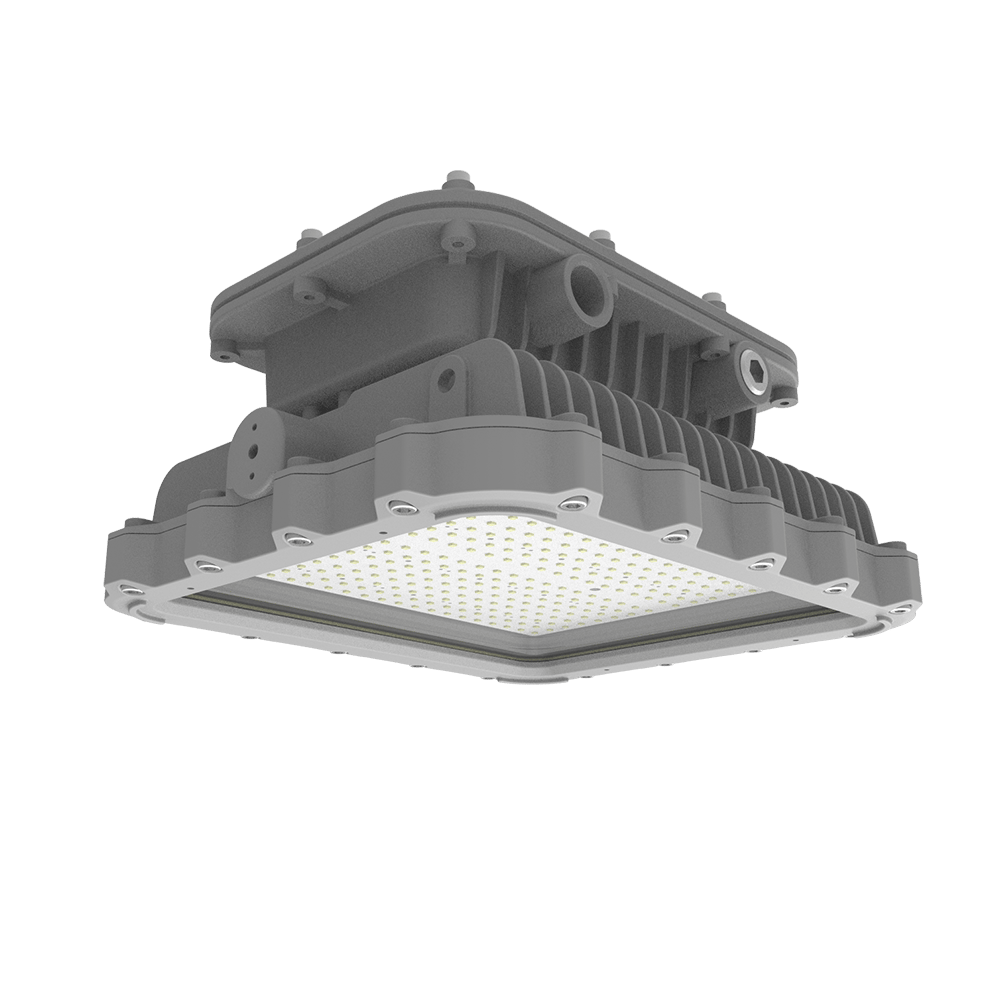
C1D1C2D1C1D2
TITAN Series - Explosion Proof High Bay Light - C1D1
- 80–200 W · 12,800–32,000 lm
- 100-277V / 347-480V
- 10 mounting options
High Bays
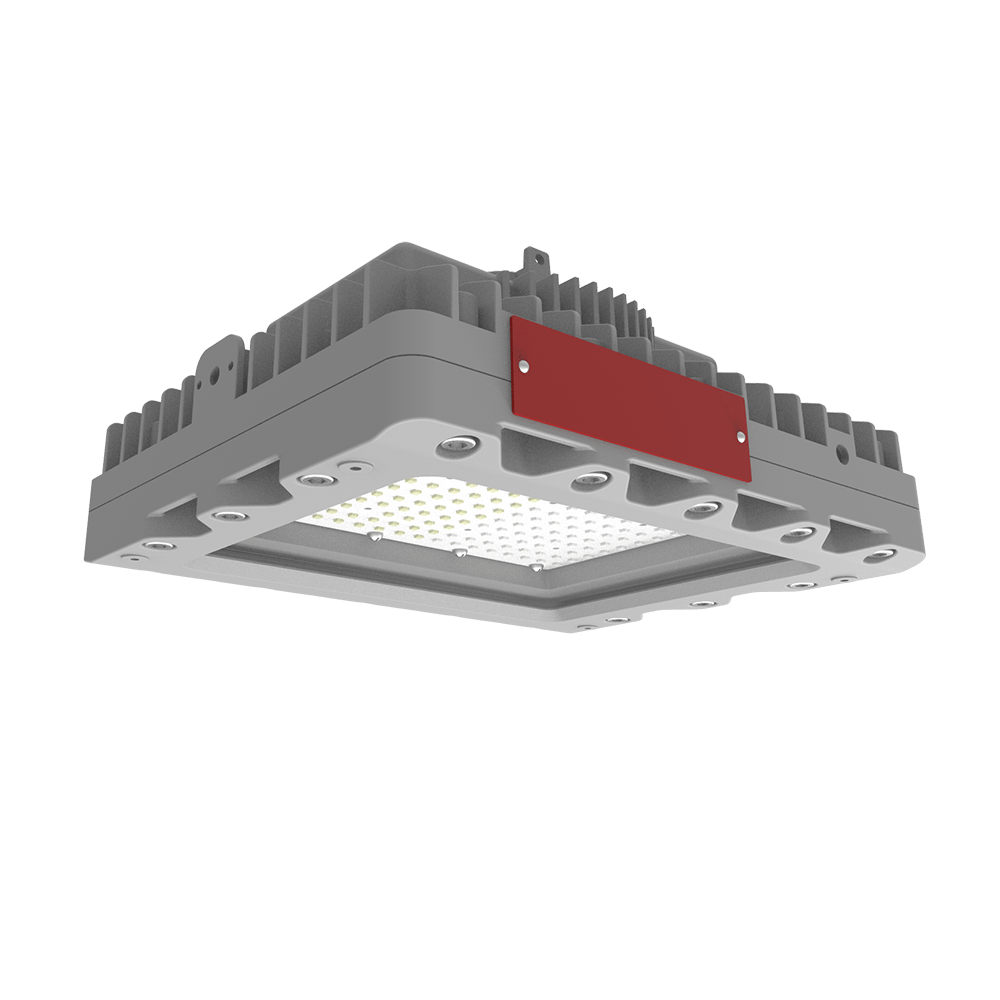
C1D1C2D1C1D2
RADIANT Series - LED Explosion Proof Low Bay & Area Light - C1D1
- 20–60 W · 3,200–9,600 lm
- 100-277V / 347-480V
- 9 mounting options
Low Bays
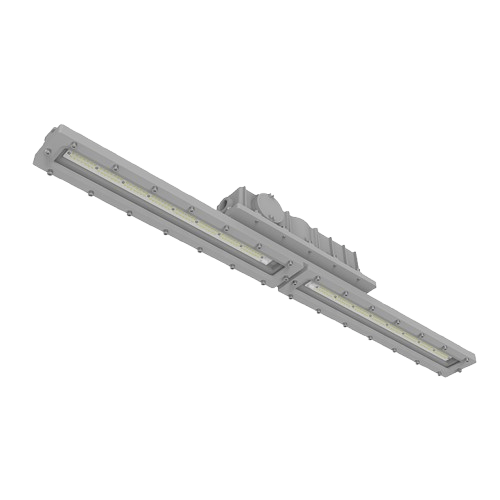
C1D1C1D2C2D1
SENTINEL Series - Hazardous Location LED Linear Lighting - C1D1
- 20–100 W · 3,400–17,000 lm
- 100-277V / 347-480V
- 12 mounting options
Linear Lighting
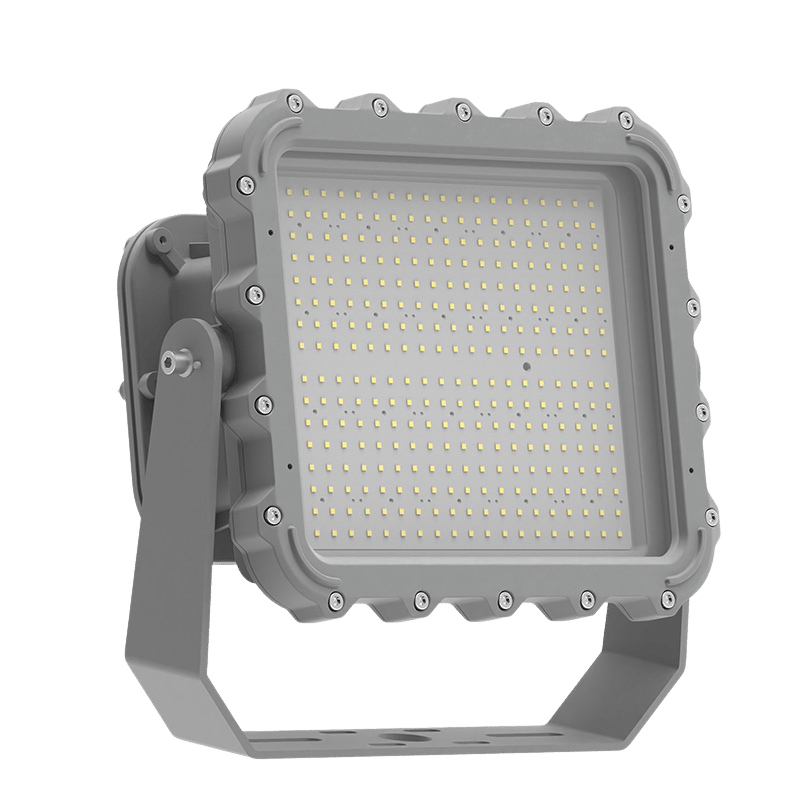
C1D1C2D1C1D2
TITAN Series - Explosion Proof Flood Light - C1D1
- 80–200 W · 12,800–32,000 lm
- 100-277V / 347-480V
- 10 mounting options
Flood Lighting
Compare available models
Compare classification, output and voltage across the models in this category. Full marking details, Canadian certification records and IES files are on each product page.
| Model | Classification | Power and output | Voltage | Review |
|---|---|---|---|---|
| TITAN Series - Explosion Proof High Bay Light - C1D1 | C1D1 · C2D1 · C1D2 | 80–200 W · 12,800–32,000 lm | 100-277V / 347-480V | Review → |
| RADIANT Series - LED Explosion Proof Low Bay & Area Light - C1D1 | C1D1 · C2D1 · C1D2 | 20–60 W · 3,200–9,600 lm | 100-277V / 347-480V | Review → |
| SENTINEL Series - Hazardous Location LED Linear Lighting - C1D1 | C1D1 · C1D2 · C2D1 | 20–100 W · 3,400–17,000 lm | 100-277V / 347-480V | Review → |
| TITAN Series - Explosion Proof Flood Light - C1D1 | C1D1 · C2D1 · C1D2 | 80–200 W · 12,800–32,000 lm | 100-277V / 347-480V | Review → |
Typical Applications
- Wellheads, separators and process skids inside classified radii
- Pump and compressor rooms handling flammable liquids or gases
- Paint mixing rooms and the interior of spray booths
- Loading racks, tank-farm dyke areas and vapour-recovery units
- Solvent recovery, distillation and reactor floors in chemical plants
Specifications at a glance
- Class I Division 1 marking on the listed configurations, accepted in Zone 1 per CEC Section 18
- Gas group and temperature code shown per model; match both to the classification drawing
- Copper-free aluminum housings, sealed optics and threaded entries for EYS/ENY sealing
- High bay, low bay, linear and flood formats from 3,200 lm to 32,000 lm
- IES files for every listed model to run a photometric layout before quoting
Specifying a Division 1 fixture
Division 1 is the most restrictive classification in the Division system. Work from the classification drawing, not from a product label.
- 1
Confirm Division 1 or Zone 1
Read the authenticated drawing. Division 1 areas are often small radii around leak sources; the fixture location decides the marking, not the building.
- 2
Match group and T-code
The gas group (A, B, C or D) and the temperature code must both be covered by the model's marking. A Group D-only fixture cannot serve a hydrogen area.
- 3
Design the conduit system
Every explosion-proof fixture depends on sealing fittings within 450 mm of the enclosure, unions for maintenance and approved flexible couplings where movement is expected.
- 4
Run the photometric layout
Use the model's IES file at the real mounting height to set fixture count and spacing, then request the certification record for the fixture schedule.
Related Industries
Related selection guides
Zones vs Divisions Hazardous Locations Canada
Zones vs divisions hazardous locations Canada questions show up on specs, drawings, and nameplates. This guide explains how the two systems map and when each one controls.
Explosion Proof Nameplate T-Code and EPLs
An explosion proof nameplate T-code, EPL, and group marking tell you whether a luminaire fits the zone and atmosphere. Here is how to read the markings before you buy.
Zone 1 Sealing Requirements Canada: 5 Mistakes
Zone 1 sealing requirements Canada projects often fail on distance, factory-sealed assumptions, boundary seals, and migration seals. Here are the five mistakes to catch early.
CEC, Illustrated — Part 1: Anatomy of a Class I, Zone 1 Lighting Installation
Explore a Class I, Zone 1 lighting and small-power diagram with plain-language CEC Section 18 notes for seals, supports, HL cable and flexible cords.
Frequently Asked Questions
Common questions about class 1 division 1 (c1d1) explosion-proof lighting and hazardous location requirements.
Get your fixture schedule reviewed
Send the classification drawing, fixture schedule or lighting requirements. We will compare suitable models, applicable records and lead times before quoting.
