
A location where combustible dust is or may be in suspension in the air in quantities sufficient to produce an explosive or ignitable mixture under normal operating conditions; where a mechanical failure or abnormal operation could produce such a mixture and also provide a source of ignition; or where Group E electrically conductive dusts may be present in hazardous quantities. It is defined in CEC Section 18 and NEC Article 500.
Class 2 Division 1 (C2D1) Lighting for Combustible Dust
Class II, Division 1 covers locations where combustible dust is in the air in ignitable quantities under normal operation, or where a single mechanical failure could produce that condition and ignite it — grain elevators, feed mills, flour and sugar handling, wood and paper dust, pharmaceutical powders and the conductive metal dusts of Group E. Lighting for these areas must be dust-ignition-proof: the enclosure keeps dust out and the surface stays below the layer-ignition temperature even under a dust blanket, which is why the temperature code and the dust group (E, F or G) on the marking matter as much as the Division. Most LEDEX hazardous-location fixtures carry C2D1 alongside C1D2, so one high bay, linear or flood model can serve a plant that has both dust and vapour areas.
- Canada-wide project support
- UL & cUL certified models
- IES-based layouts
- Technical fixture review
Product catalog
Filter by classification and fixture type to narrow the range. Every model links to its full specifications, certification records and photometric files.
12 models shown
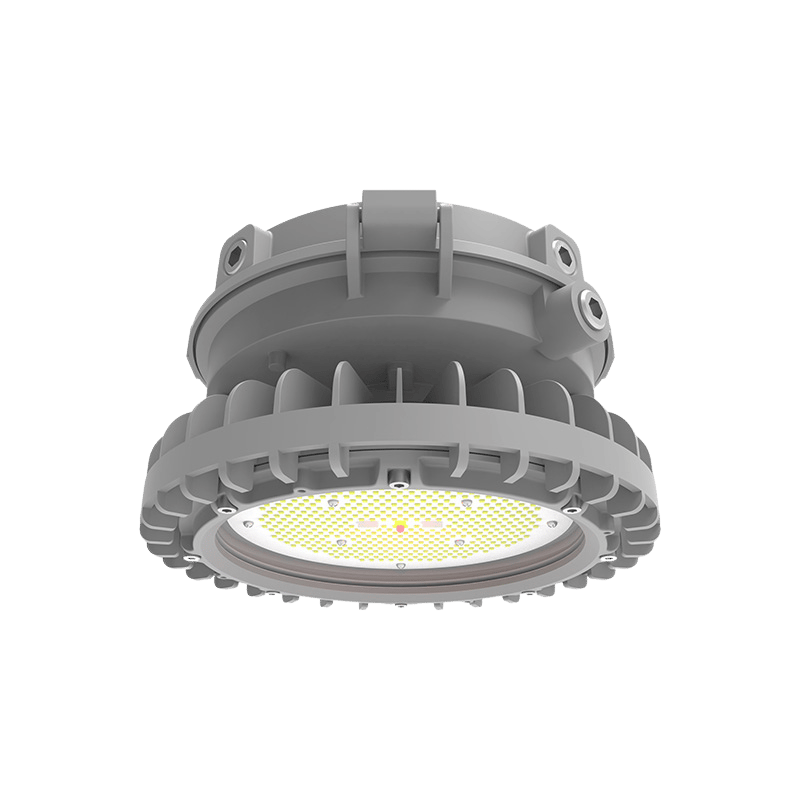
C2D1C1D2
FORTRESS Series - LED Hazardous Location High Bay - C1D2/C2D1
- 40–200 W · 6,800–32,000 lm
- 100-277V / 347-480V
- 10 mounting options
High Bays
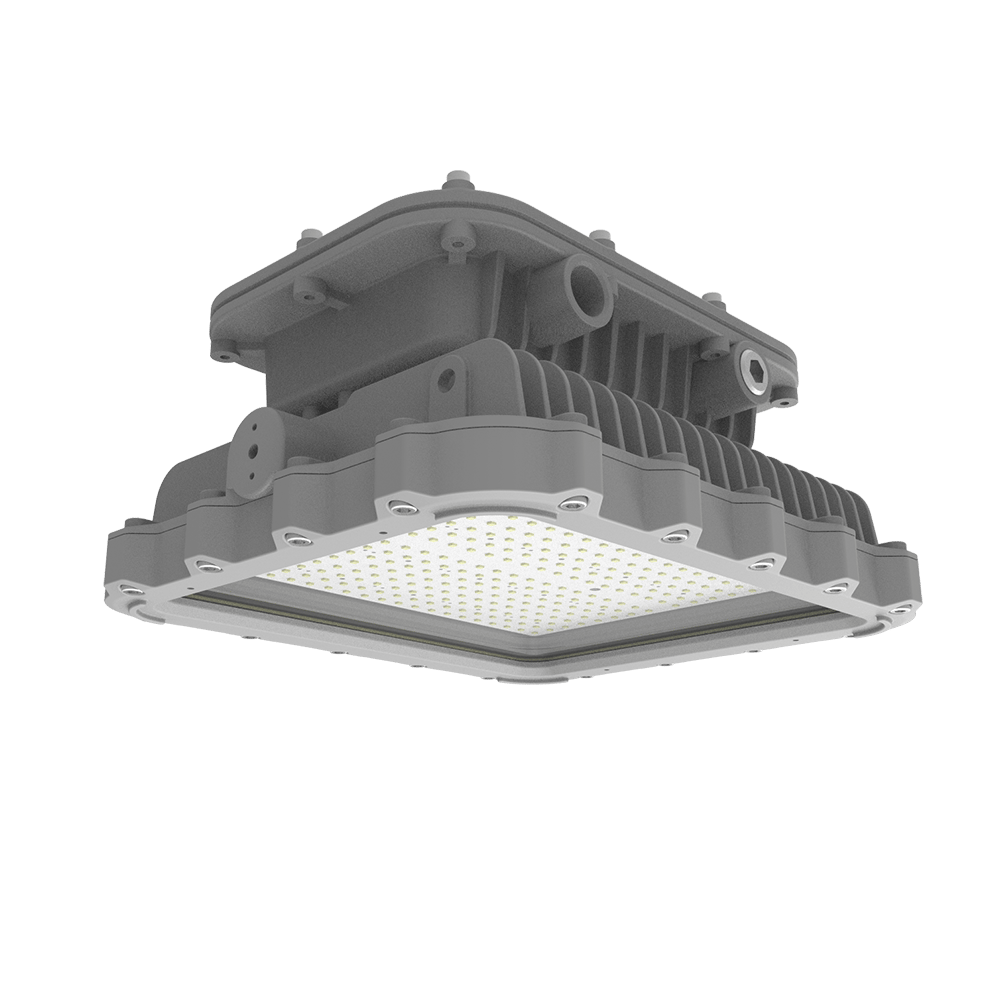
C1D1C2D1C1D2
TITAN Series - Explosion Proof High Bay Light - C1D1
- 80–200 W · 12,800–32,000 lm
- 100-277V / 347-480V
- 10 mounting options
High Bays
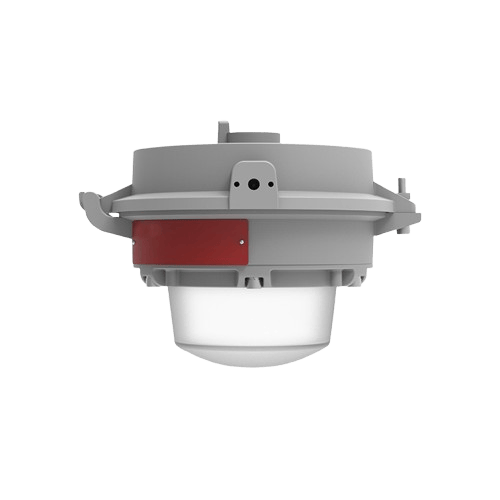
C2D1C1D2
Jelly Jar - LED Explosion Proof Low Bay & Area Light - C1D2/C2D1
- 10–30 W · 1,500–4,500 lm
- 100-277V / 347-480V
- 10 mounting options
Low Bays
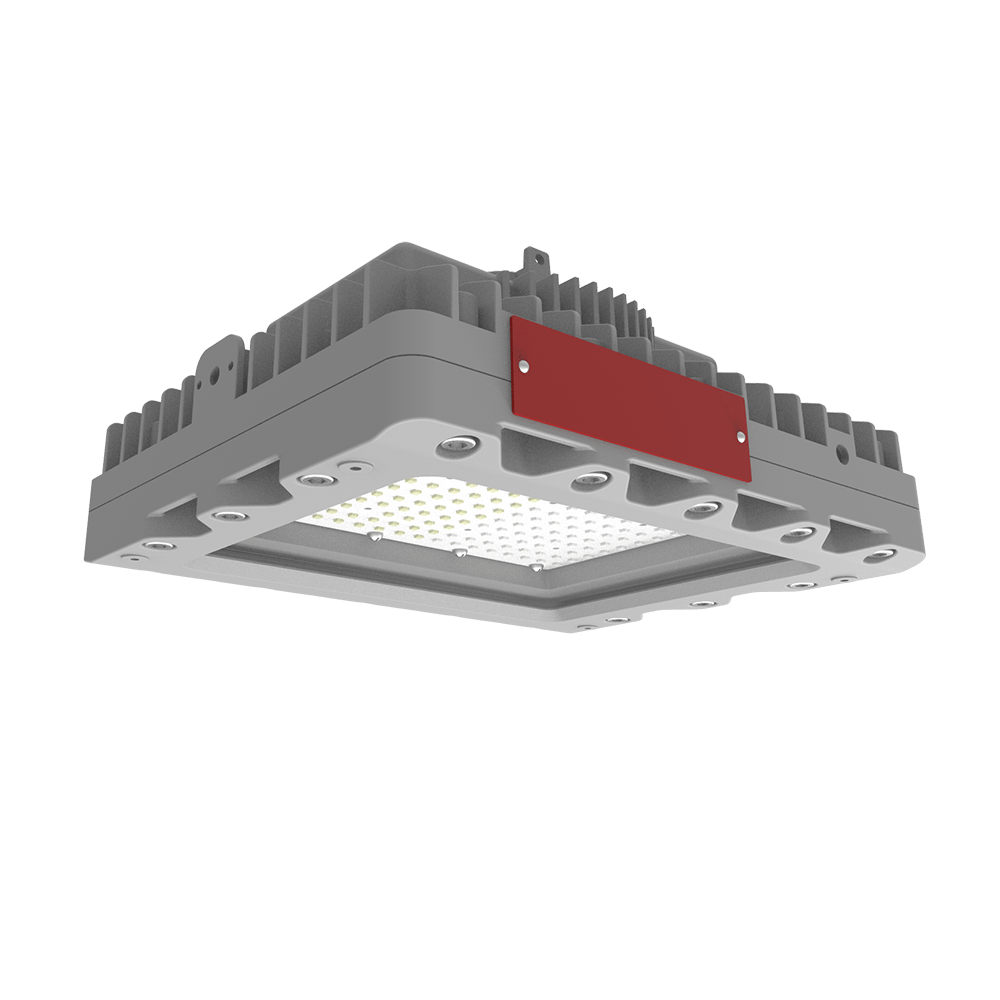
C1D1C2D1C1D2
RADIANT Series - LED Explosion Proof Low Bay & Area Light - C1D1
- 20–60 W · 3,200–9,600 lm
- 100-277V / 347-480V
- 9 mounting options
Low Bays
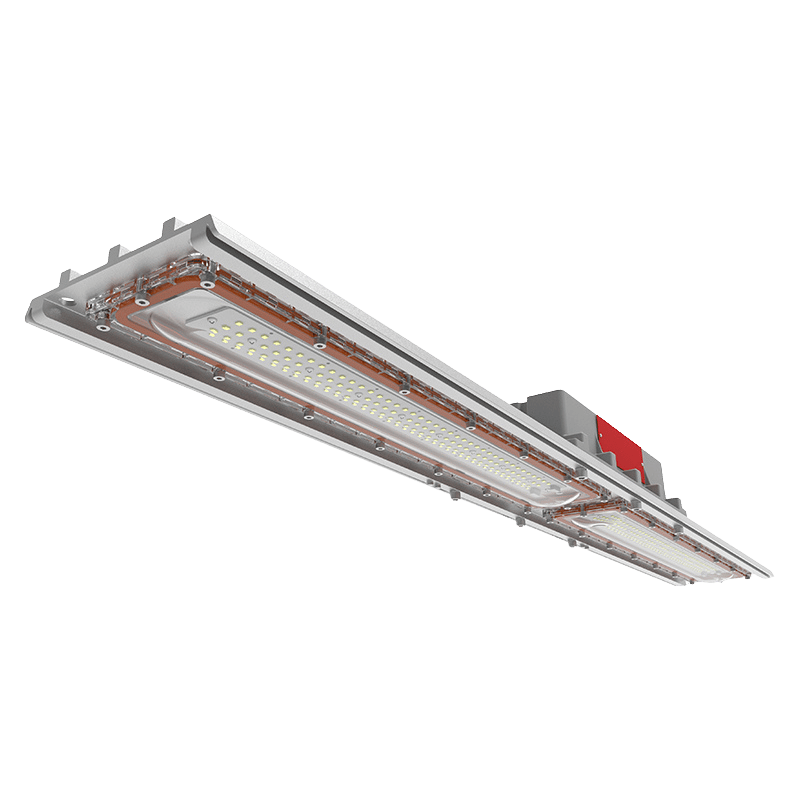
C2D1C1D2
VECTOR Series - LED Hazardous Location Linear Light - C1D2/C2D1
- 30–80 W · 5,100–13,600 lm
- 100-277V / 347-480V
- 11 mounting options
Linear Lighting
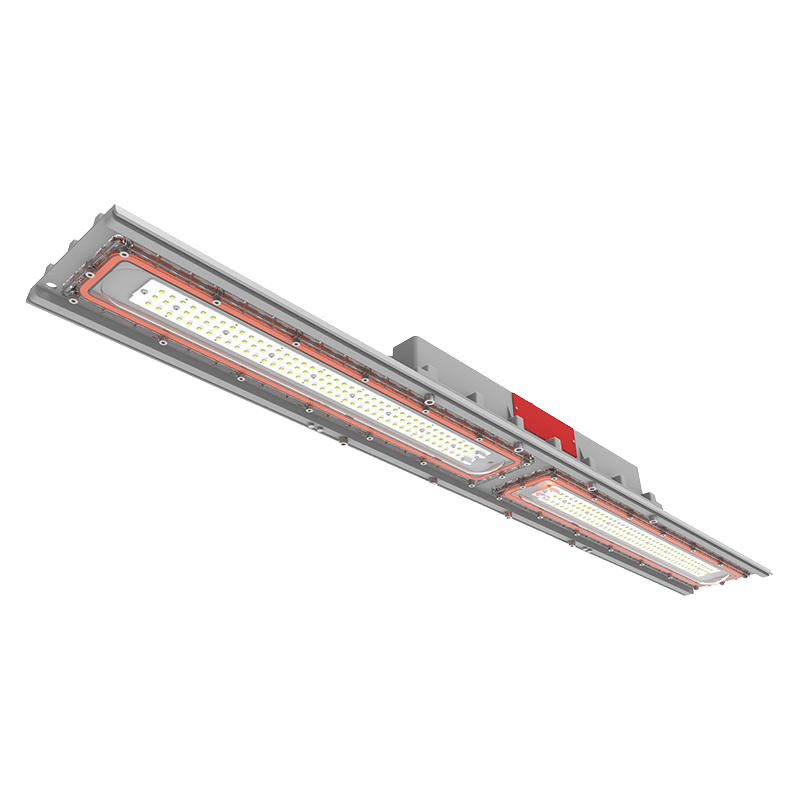
C2D1C1D2
VECTOR Series Emergency Battery Back-up - LED Hazardous Location Linear Light - C1D2/C2D1
- 30–80 W · 5,100–13,600 lm
- 100-277V / 347-480V
- 11 mounting options
Linear Lighting
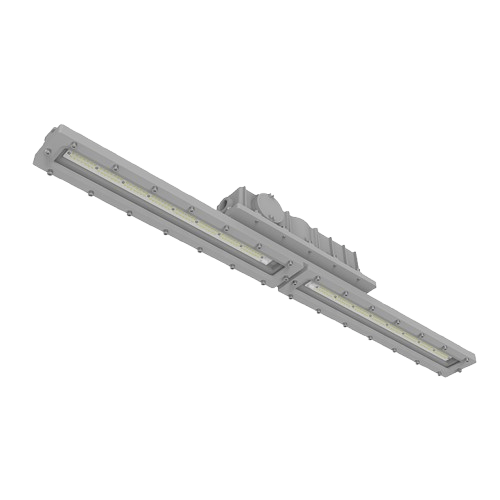
C1D1C1D2C2D1
SENTINEL Series - Hazardous Location LED Linear Lighting - C1D1
- 20–100 W · 3,400–17,000 lm
- 100-277V / 347-480V
- 12 mounting options
Linear Lighting
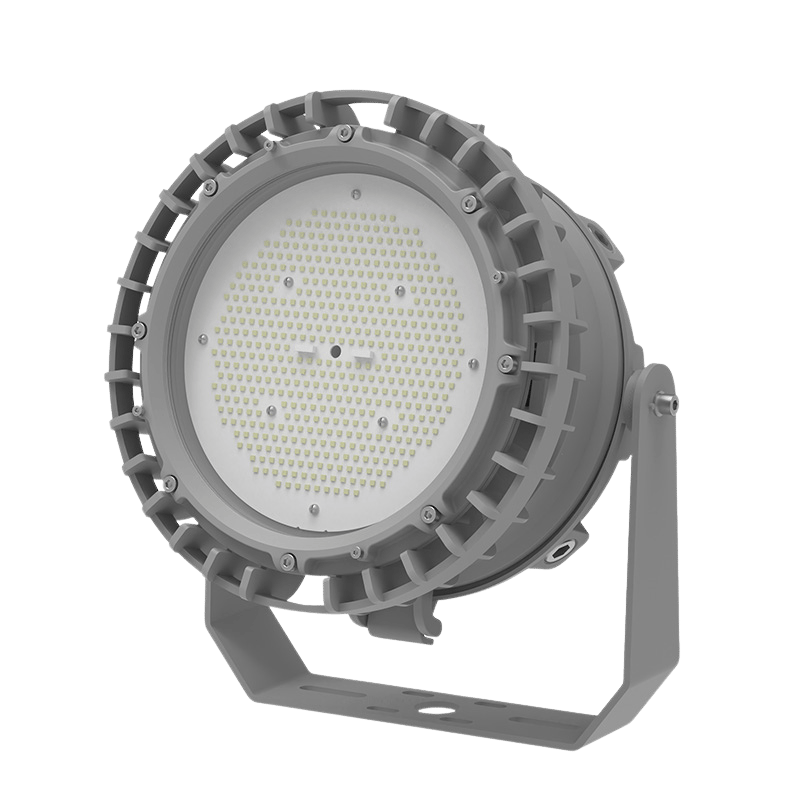
C2D1C1D2
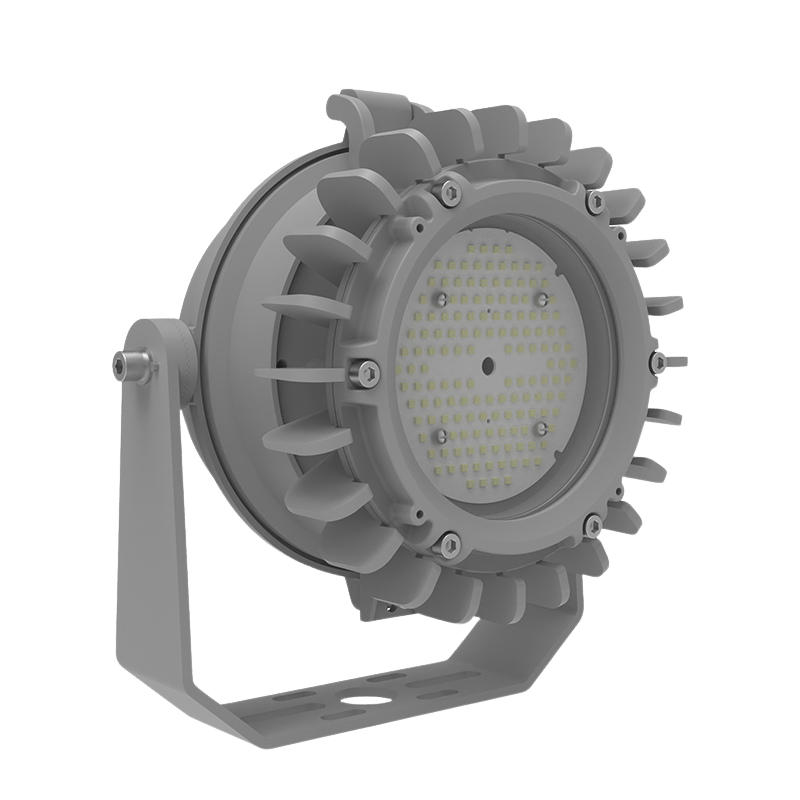
FORTRESS Series - LED Explosion Proof Flood Light - C1D2/C2D1
- 40–200 W · 6,800–32,000 lm
- 100-277V / 347-480V
- 10 mounting options
Flood Lighting
C2D1C1D2
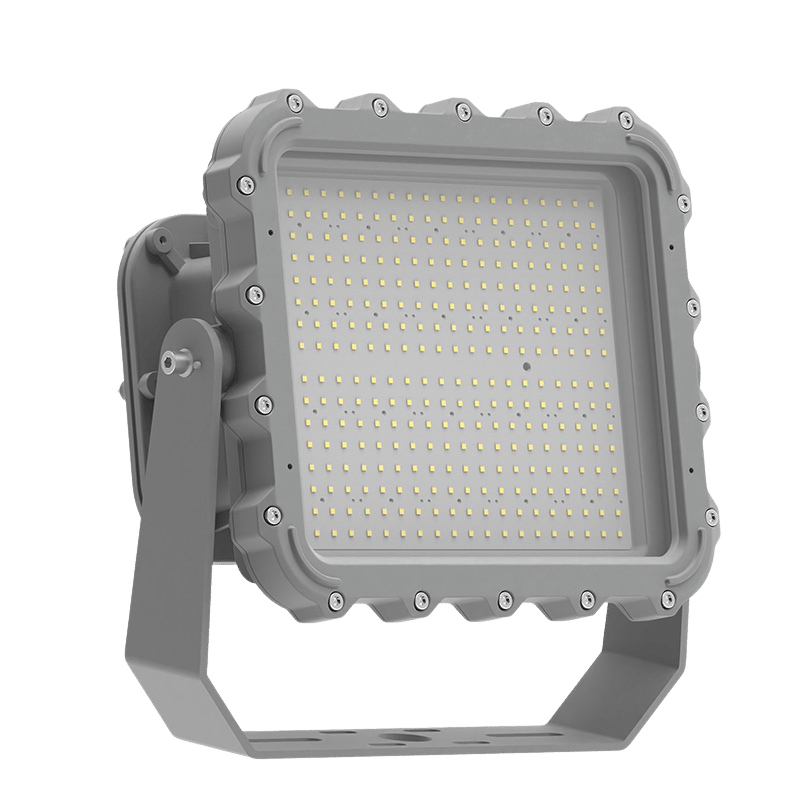
VANGUARD Series - Hazardous Location LED Flood Light - C1D2/C2D1
- 40–60 W · 6,000–9,600 lm
- 100-277V / 347-480V
- 10 mounting options
Flood Lighting
C1D1C2D1C1D2
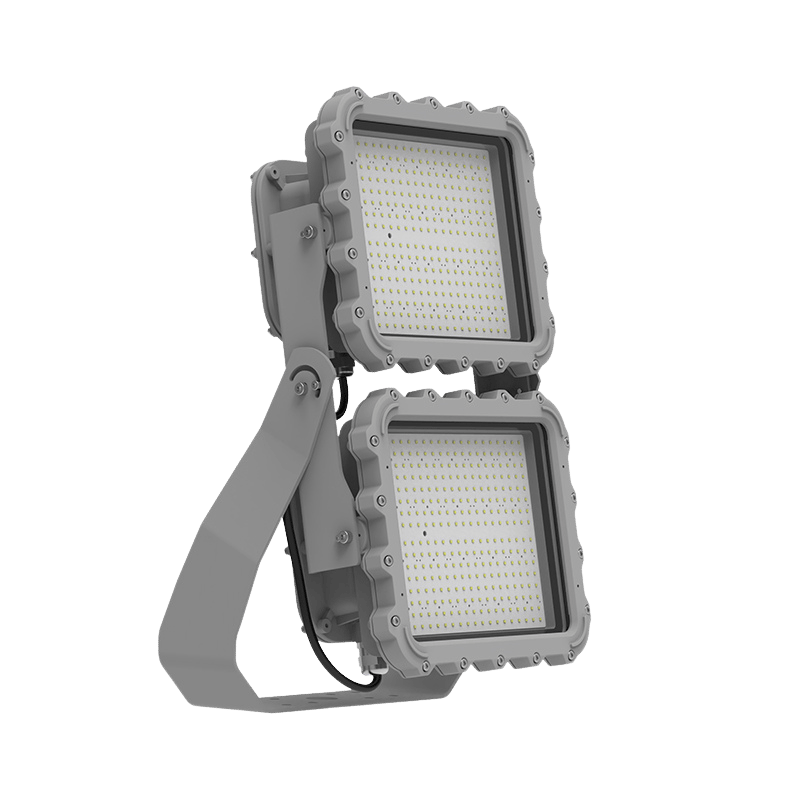
TITAN Series - Explosion Proof Flood Light - C1D1
- 80–200 W · 12,800–32,000 lm
- 100-277V / 347-480V
- 10 mounting options
Flood Lighting
C2D1C1D2
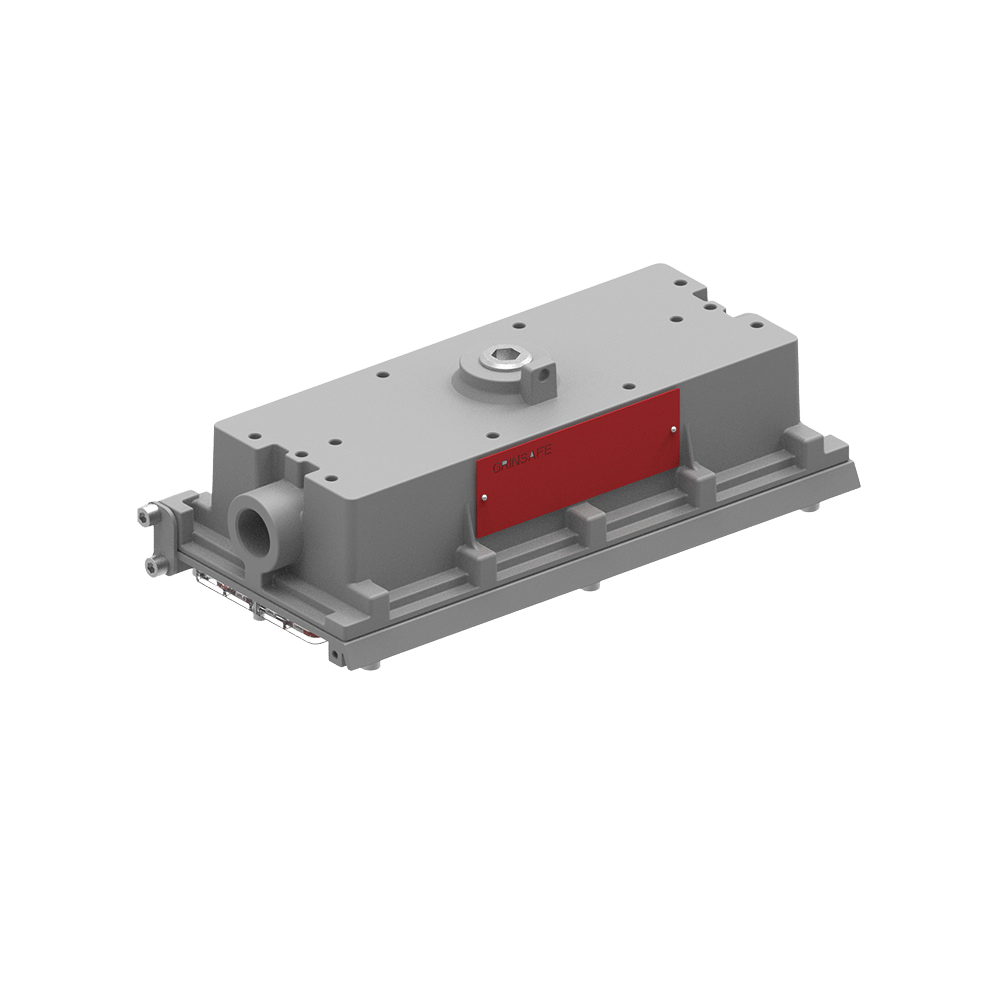
TITAN Series - Modular LED Explosion Proof Flood Light - C1D2/C2D1
- 300–400 W · 48,000–64,000 lm
- 100-277V / 347-480V
- Angled bracket (Floodlight) / Straight bracket (Bay light)
Flood Lighting
C2D1C1D2
LED Hazardous Location Wall-Pack Light
- 20–30 W · 3,300–4,950 lm
- 100-277V
- 4 mounting options
Wallpack Lighting
Compare available models
Compare classification, output and voltage across the models in this category. Full marking details, Canadian certification records and IES files are on each product page.
Typical Applications
- Grain elevators, feed mills and seed cleaning plants
- Flour, sugar, starch and dry-ingredient processing in food plants
- Sawmills, pellet plants, pulp and paper dust areas
- Pharmaceutical powder handling, blending and tableting
- Coal handling and pulverizer areas in power plants
- Aluminum, magnesium and other Group E metal dust operations
Specifications at a glance
- Class II Division 1 marking on the listed configurations; dust groups shown per model
- Dust-tight, gasketed housings with sealed optics and threaded entries
- Surface-temperature codes rated for a dust layer, not just clean-air operation
- Wide input range; most models also carry C1D2 and several C1D1 for mixed hazards
- IES files for layouts in tall, dusty interiors where maintained lumens matter
Specifying for combustible dust
Dust hazards depend on how the dust behaves, not only on how much is in the air.
- 1
Identify the dust group
Group E (conductive metal dusts), F (carbonaceous, coal) and G (grain, flour, wood, plastics, most pharmaceuticals) have different ignition temperatures and conductivity. The marking must cover the group on the drawing.
- 2
Check the temperature code for layers
Dust settles on fixtures and insulates them. Class II markings limit surface temperature with a dust blanket present; choose the code below the layer-ignition temperature of the dust.
- 3
Plan for cleaning
Smooth housings, downward optics and mounting that allows housekeeping keep layers thin. Fixture height and spacing come from the IES file at the real ceiling height.
- 4
Check the vapour side too
Many Class II plants also have Class I areas (solvents, fuel, fermentation). A fixture marked C1D2 and C2D1 can be standardised across both.
Related Industries
Related selection guides
Hazardous Location Classification Canada
Understand Canadian gas and dust Zones, how retained Divisions relate, who documents the classification and which complete markings equipment selection needs.
Explosion Proof Nameplate T-Code and EPLs
An explosion proof nameplate T-code, EPL, and group marking tell you whether a luminaire fits the zone and atmosphere. Here is how to read the markings before you buy.
C2D2 Lighting, C2D1 Fixtures and NEMA 4X: Canadian Code Explained
C2D1 fixtures can serve qualifying C2D2 dust locations. Annex J18 explains luminaire selection, dust-protected enclosures and the separate C1D2 non-sparking provision.
Frequently Asked Questions
Common questions about class 2 division 1 (c2d1) lighting for combustible dust and hazardous location requirements.
Get your fixture schedule reviewed
Send the classification drawing, fixture schedule or lighting requirements. We will compare suitable models, applicable records and lead times before quoting.
