

Paint Booth LED Lighting: C1D1 & C1D2 Guide
Apply CEC Section 20 to the actual booth, openings and ventilation, then verify model markings and calculate the layout from the exact IES file.
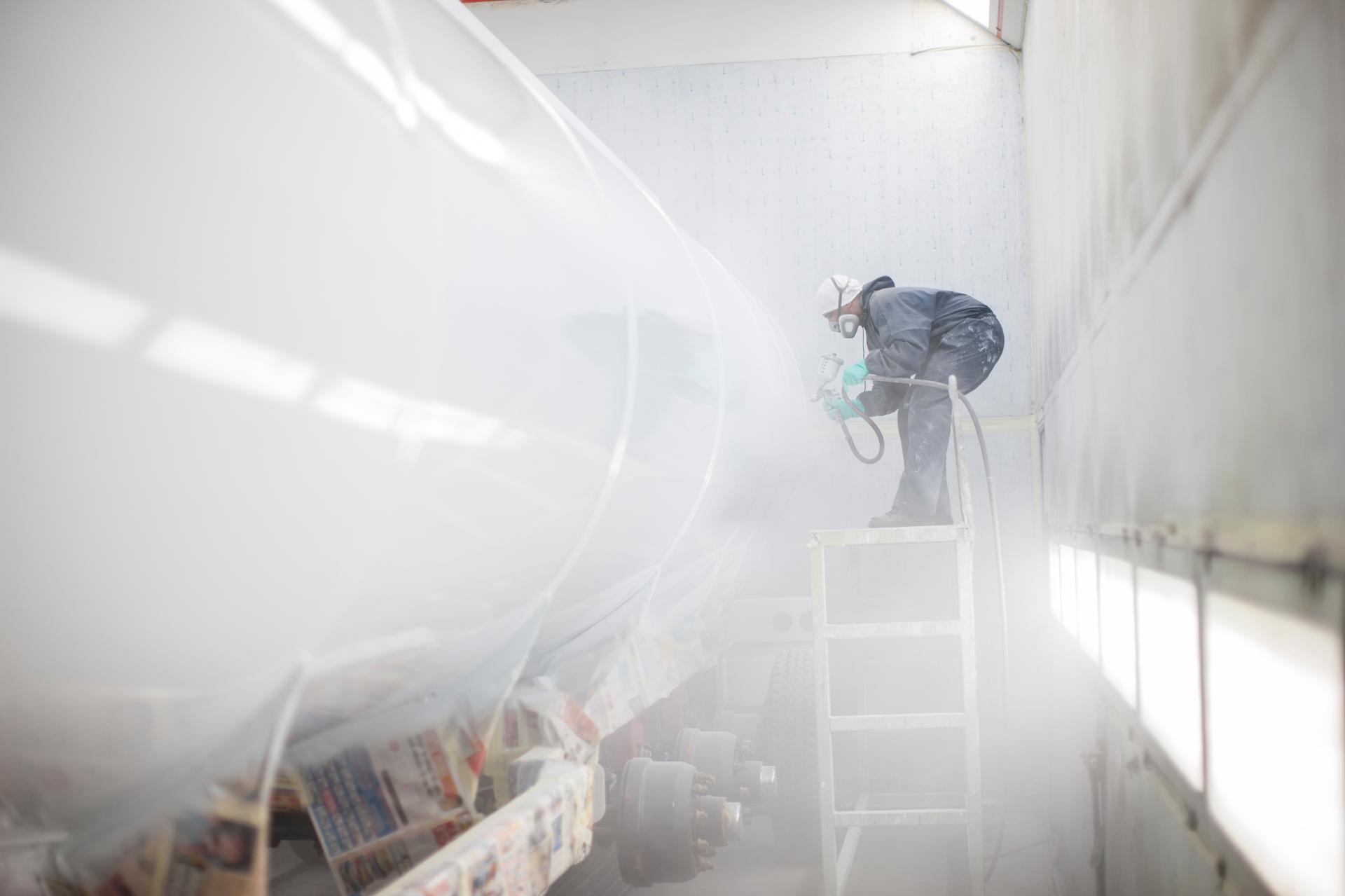
Paint booth LED lighting starts with the classified area
Paint booth lighting has to support colour matching and defect detection without introducing an ignition source. In Canada, the first design input is the area classification under CEC Section 20, not a generic “paint booth” label.
Rule 20-302 classifies the interior of spray booths, exhaust ducts and defined surrounding spaces as Zone 1 or Zone 2. The exact boundary depends on the booth type, openings, ventilation and process. Rule 20-306 also permits specific fixed-lighting arrangements outside the classified space when they meet its construction and isolation conditions. That is why “ordinary fixtures are never allowed near a booth” is too broad. The project drawing and the applicable Rule decide.
For the broader application page, see Paint and spray booth lighting.
Read the classification before selecting a fixture
Confirm these items on the authenticated drawing:
- the Zone or retained Division classification at each fixture location;
- the gas or vapour group and minimum ignition temperature;
- booth openings, exhaust paths and ventilation conditions;
- whether the light is inside the classified space or isolated behind a fixed panel; and
- the wiring method, entries, seals, mounting and physical protection.
The CEC uses Zones for new work. Existing facilities classified by Divisions may retain that system in the circumstances allowed by Rule 18-000. Division-marked equipment can be considered for a Zone location only when the Canadian approval, group mapping, temperature marking and other conditions match. C1D1 and Zone 1 are not interchangeable shorthand.
Lighting targets need a photometric model
Paint finishing often calls for high, uniform illuminance at the work surface, good vertical light and controlled glare. A single lumen-per-square-foot rule cannot account for booth geometry, reflectance, side windows, overspray buildup or light loss.
Set the project target with the owner and design team, then calculate the layout from the exact model's IES file. The result should show maintained fc/lux, uniformity, fixture locations and aiming. Emergency egress performance is a separate requirement from hazardous-location suitability.
Use the Photometric Estimator for an early layout, or send us the booth dimensions, target illuminance, reflectances and mounting constraints. The mounting-height and lumen output guide provides a documented starting range before the booth is modelled.
Candidate LEDEX fixtures
SENTINEL linear
SENTINEL is a candidate for booth locations where its exact model and options carry the Canadian hazardous-location marking required by the drawing. Verify the certification record, gas group, temperature code, ambient range, entries and approved mounting before specifying it.
Vector linear
Vector is a candidate for qualifying Zone 2 or Division 2 areas outside the booth. A Division 2 marking does not make it acceptable inside a Zone 1 space.
Vector emergency option
The emergency configuration can support an egress design only when both its hazardous-location marking and its emergency-lighting performance meet the project requirements. Confirm runtime, output during battery operation and the exact certification record.
Installation details affect acceptance
Rule 18-108 requires a Zone 1 luminaire to be protected by a suitable guard or by its location. Rule 18-156 provides the corresponding Zone 2 protection requirement. The project team must assess carts, lifts, tools and maintenance access; mounting height alone does not automatically remove the need for protection.
Coordinate the approved mount, wiring method, cable glands, conduit seals and bonding with the luminaire instructions and the rest of the installation. Section 20's fixed-lighting provisions also have construction and isolation conditions that a fixture rating alone cannot satisfy.
Get a fixture schedule you can review
Send LEDEX:
- the authenticated classification drawing;
- booth dimensions and openings;
- target maintained fc/lux and uniformity;
- mounting and wiring constraints; and
- emergency-lighting requirements.
We will return candidate part numbers, available Canadian certification records and an IES-based layout for the project professional and inspection authority to review.
Frequently asked questions
Do paint booth lights need to be C1D1?
Rule 20-302 classifies booth interiors and defined surrounding spaces by Zone. Rule 20-306 also permits specific fixed-lighting arrangements outside the classified space. Use the project drawing and verify the exact model marking rather than assuming every booth light must be C1D1.
How much light does a paint booth need?
There is no universal CEC illuminance target for every booth. Set maintained horizontal and vertical fc/lux, uniformity, color quality, and glare criteria with the project team, then model the exact fixture IES file.
Which LEDEX fixtures fit paint booth applications?
SENTINEL and Vector are candidate linear series for different classified locations. Select only after the exact model's Canadian certification, group, temperature marking, ambient range, mount, and photometric output match the project.
Related resources
Oil & Gas LED Lighting: C1D1 Wellhead and Refinery
Build an upstream, midstream or downstream fixture schedule from the authenticated classification, model-specific records, site conditions and photometric targets.
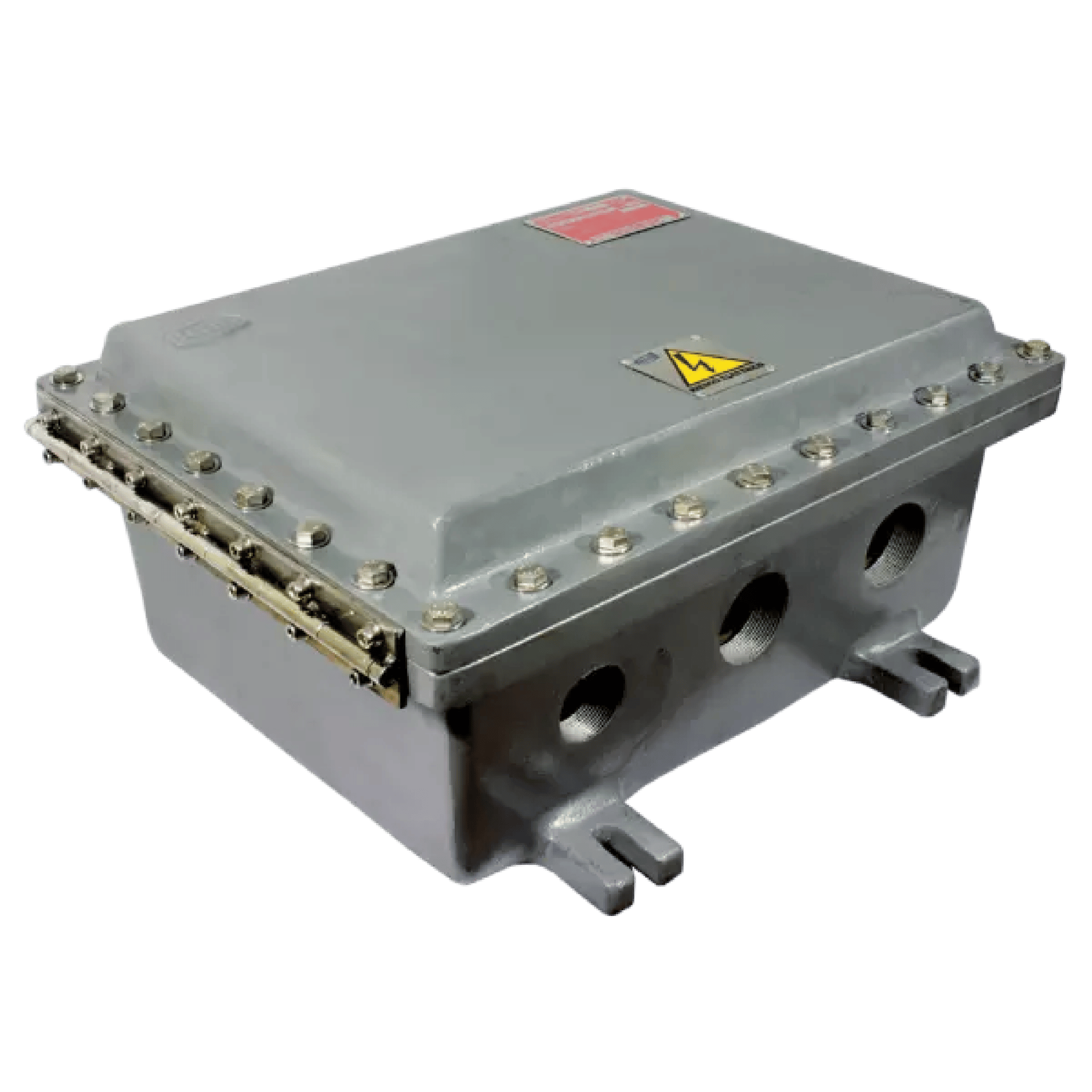
Explosion-Proof Junction Box Selection Guide for Canada
Compare outlet bodies, GUB instrument boxes and bolted enclosures, then verify the exact marking, usable space, entries and seal schedule before ordering.
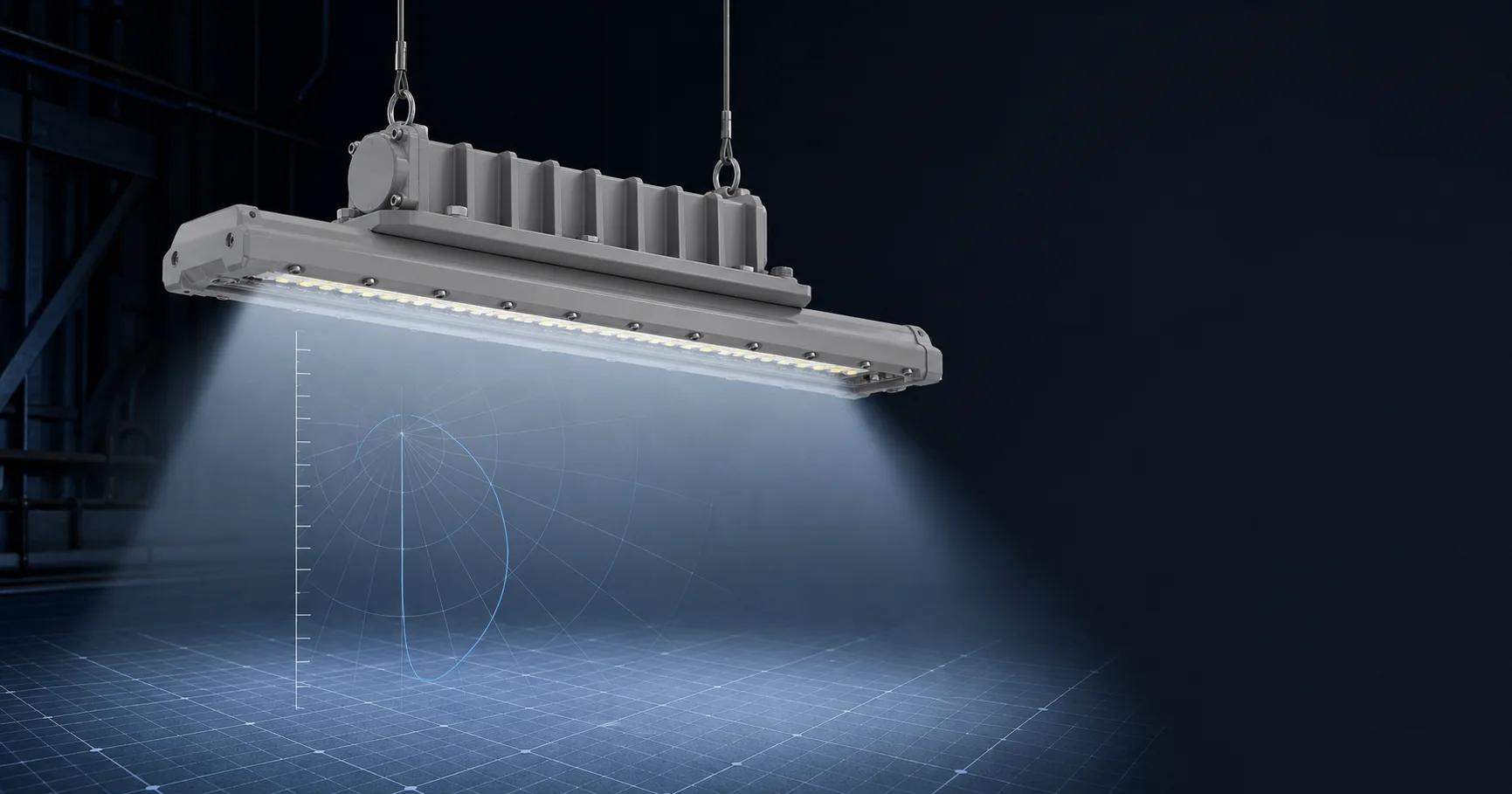
Photometric Design for Hazardous Locations: Choosing Lumen Output
Use mounting height and replacement benchmarks to screen an industrial LED lumen range, then prove the layout with the exact model’s IES file.