

Explosion-Proof Junction Box Selection Guide for Canada
Compare outlet bodies, GUB instrument boxes and bolted enclosures, then verify the exact marking, usable space, entries and seal schedule before ordering.
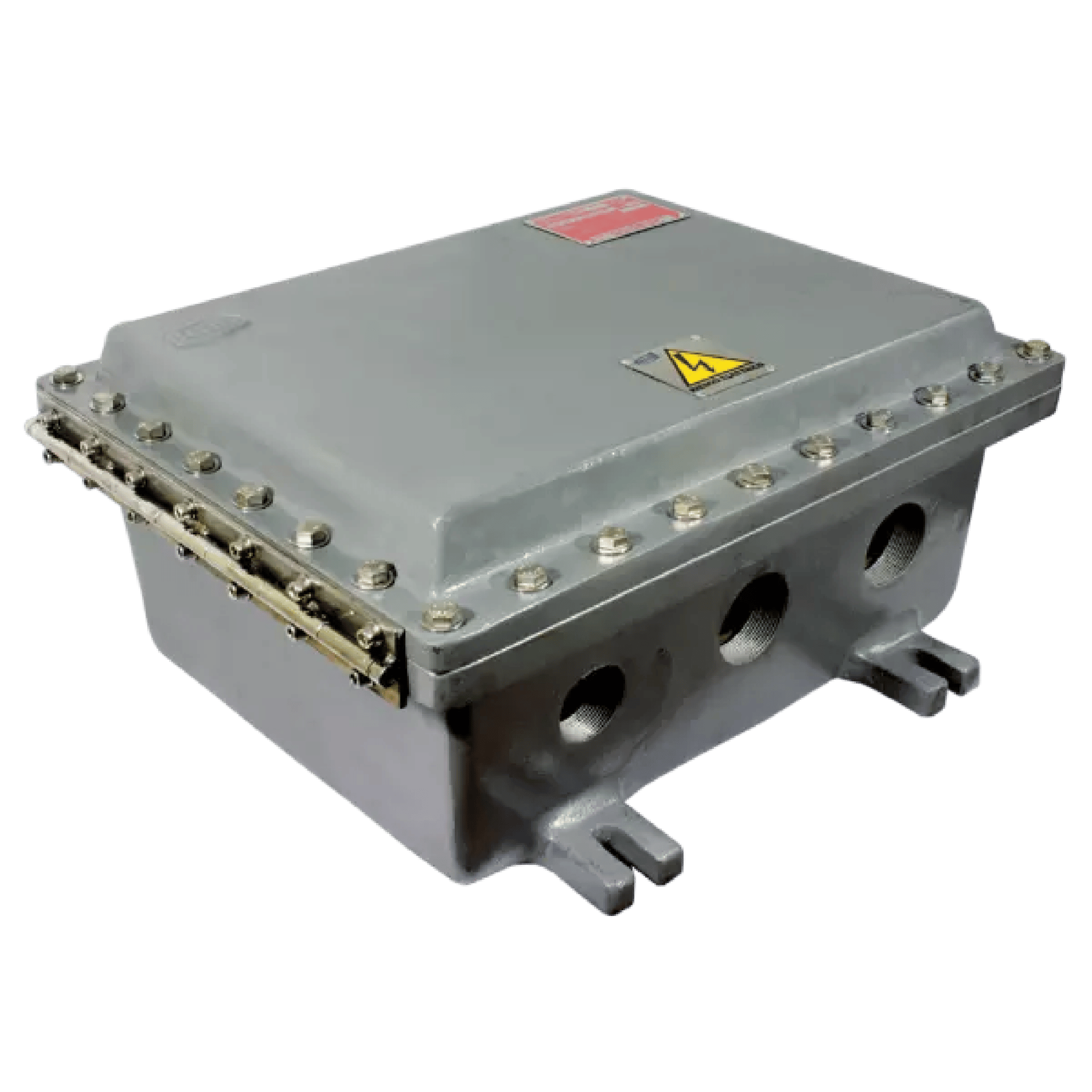
Start with the job, not the box dimensions
An explosion-proof junction box is not selected by outside dimensions alone. The box has to perform a specific job—pulling conductors, making splices, housing terminals or protecting an instrument—while its complete marking, entries and installation method remain suitable for the classified location.
For a Canadian project, start with the authenticated classification drawing and the adopted edition of the Canadian Electrical Code. Record the Zone or retained Division, gas or dust group, minimum ignition temperature, ambient range and environmental exposure at the exact enclosure location. The facility name is not a classification: two boxes in the same plant can require different protection.
Browse the LEDEX explosion-proof junction box catalogue while you work through the checks below.
1. Choose the enclosure family by function
Outlet body
An outlet body is the compact choice for conductor pulls, splices or branch points. It works when the certified hub arrangement, conductor fill and bending space suit the wiring plan. It is not a substitute for a larger enclosure when terminals, relays or heat-producing devices consume the usable volume.
GUB instrument enclosure
A GUB instrument enclosure provides accessible space for instruments, terminals or small control components. Specify the device layout and required entries before choosing the body size; a sight window, operator or field modification can change the applicable approval and temperature limits.
Bolted enclosure
A bolted explosion-proof enclosure is the better starting point for larger control assemblies, more conductors or layouts that need additional access. Confirm usable internal dimensions, device heat dissipation and the factory entry arrangement rather than assuming the largest external box is automatically acceptable.
2. Size the usable space and entries together
Prepare a simple enclosure schedule before requesting a quote:
- conductor count, size and insulation type;
- splice, terminal, relay, instrument and operator list;
- required bending and working space;
- normal device heat and maximum ambient temperature;
- entry quantity, trade size, thread and approach direction;
- cable, conduit, gland, sealing fitting, drain and breather requirements; and
- mounting orientation, cover access and maintenance clearance.
The certified configuration matters. A field-drilled opening is not automatically equivalent to a factory-machined entry, and adding an operator or window can affect the enclosure's protection concept and certification record. Obtain the manufacturer's instructions for the exact catalogue number before machining, assembling or releasing it for installation.
3. Read every part of the marking
“Explosion-proof,” “NEMA 7” and “C1D1” do not provide the whole answer by themselves. Compare the exact model record with the project requirements for:
- the Canadian approval mark and certification file;
- Zone or Division suitability;
- gas or dust group;
- temperature code or maximum surface temperature;
- ambient temperature limits;
- indoor, outdoor, water and corrosion exposure; and
- permitted entries, fittings and installation conditions.
NEMA 7 describes enclosure performance for certain hazardous-location conditions. NEMA 4X addresses water and corrosion performance. Neither rating replaces the required Canadian approval or the complete hazardous-location marking. Treat the environmental and explosion-protection checks as related but separate.
4. Coordinate the seal schedule
Do not add or omit an explosion seal based on a universal distance rule copied from another product. CEC Rules 18-104 and 18-154 apply different conditions to Zone 1 and Zone 2 wiring. The answer changes with the enclosure protection type, ignition-capable components, factory-seal marking, wiring method, entry arrangement and conduit size. Boundary seals and enclosure-entry seals also solve different problems.
Show every proposed seal on the wiring or classification drawing. Cross-check it against the exact enclosure, gland and sealing-fitting instructions, then have the project professional and inspection authority review the arrangement. For common errors, see five Zone 1 sealing mistakes.
5. Ask for a complete quotation package
A useful quotation should identify a candidate catalogue number and the assumptions behind it. Ask for:
- dimensional drawing and usable internal dimensions;
- material, coating and environmental rating;
- entry schedule and permitted accessories;
- hazardous-location marking and available Canadian certification record;
- installation and maintenance instructions; and
- price, availability and lead time for the configured model.
Send LEDEX the classification drawing, device list, entry plan, ambient and corrosion conditions, preferred material and required delivery date. We will compare the outlet-body, GUB and bolted-enclosure options and return a documented configuration for the project team to review.
This guide summarizes selection questions; it is not Code text or an engineering classification. Confirm the published CEC, manufacturer instructions and project authority requirements for the installation.
Frequently asked questions
What is the difference between a GUB box and a bolted explosion-proof enclosure?
A GUB enclosure is typically used for compact instruments, terminals or relays. A bolted enclosure offers more usable space and access for larger control assemblies. Compare device heat, conductor fill, bending space, entries and the exact certification record before choosing.
Is every NEMA 7 enclosure acceptable for C1D1 use in Canada?
No. NEMA 7 alone does not establish Canadian approval or the complete hazardous-location suitability. Verify the exact model's approval mark, Zone or Division, group, temperature, ambient range and installation conditions.
Can an explosion-proof junction box be drilled in the field?
Only when the exact product certification and manufacturer instructions permit the modification and the resulting entry arrangement remains within those conditions. Do not assume a field-drilled entry is equivalent to a factory-machined entry.
What information is needed to quote an explosion-proof junction box?
Provide the classification drawing, group, ignition temperature, ambient and corrosion conditions, device and conductor list, entry quantity and sizes, wiring method, preferred material, mounting orientation and required delivery date.
Related resources

Oil & Gas LED Lighting: C1D1 Wellhead and Refinery
Build an upstream, midstream or downstream fixture schedule from the authenticated classification, model-specific records, site conditions and photometric targets.

Paint Booth LED Lighting: C1D1 & C1D2 Guide
Apply CEC Section 20 to the actual booth, openings and ventilation, then verify model markings and calculate the layout from the exact IES file.
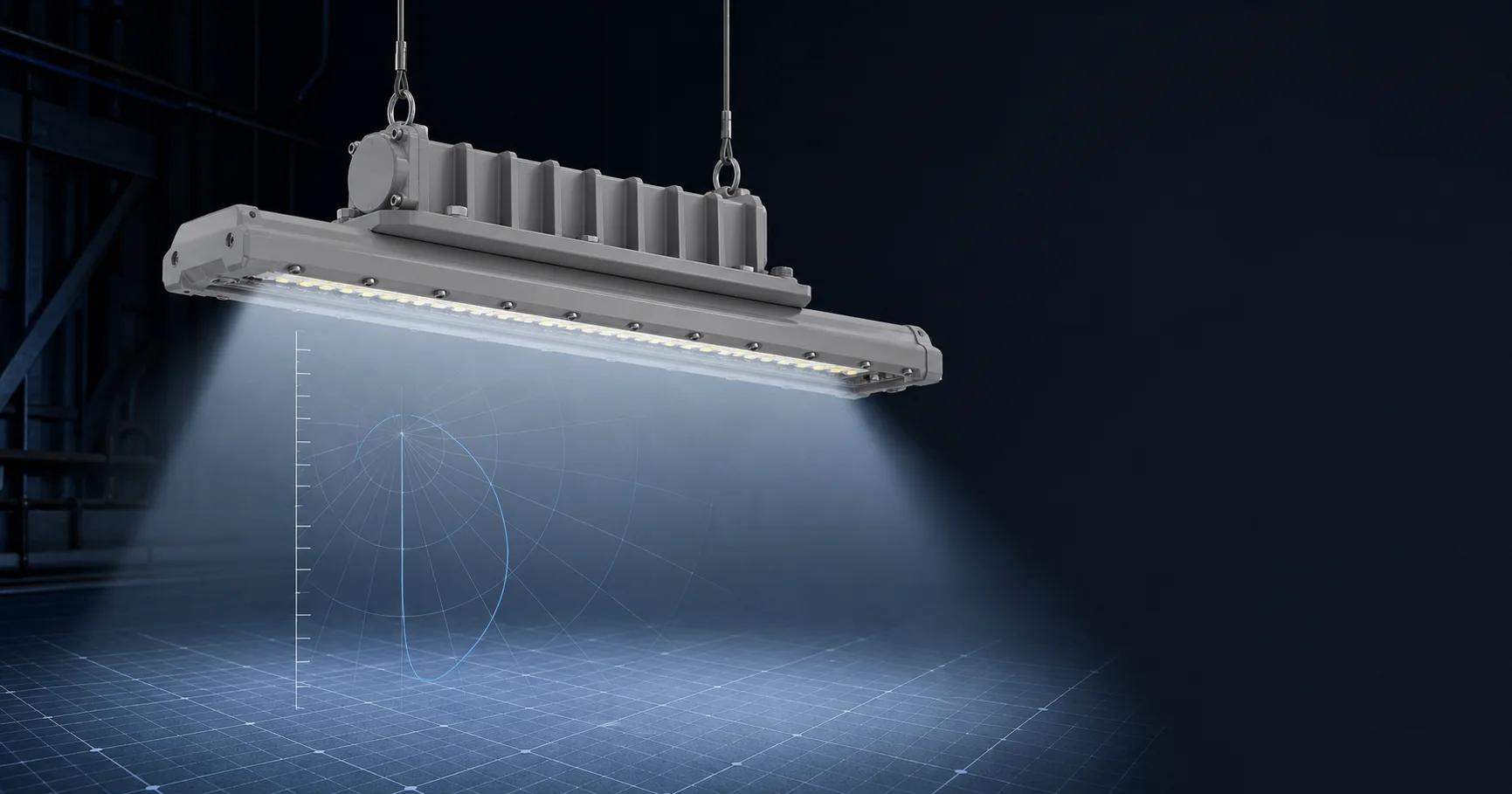
Photometric Design for Hazardous Locations: Choosing Lumen Output
Use mounting height and replacement benchmarks to screen an industrial LED lumen range, then prove the layout with the exact model’s IES file.