
Explosion Proof Nameplate T-Code and EPLs
An explosion proof nameplate T-code, EPL, and group marking tell you whether a luminaire fits the zone and atmosphere. Here is how to read the markings before you buy.
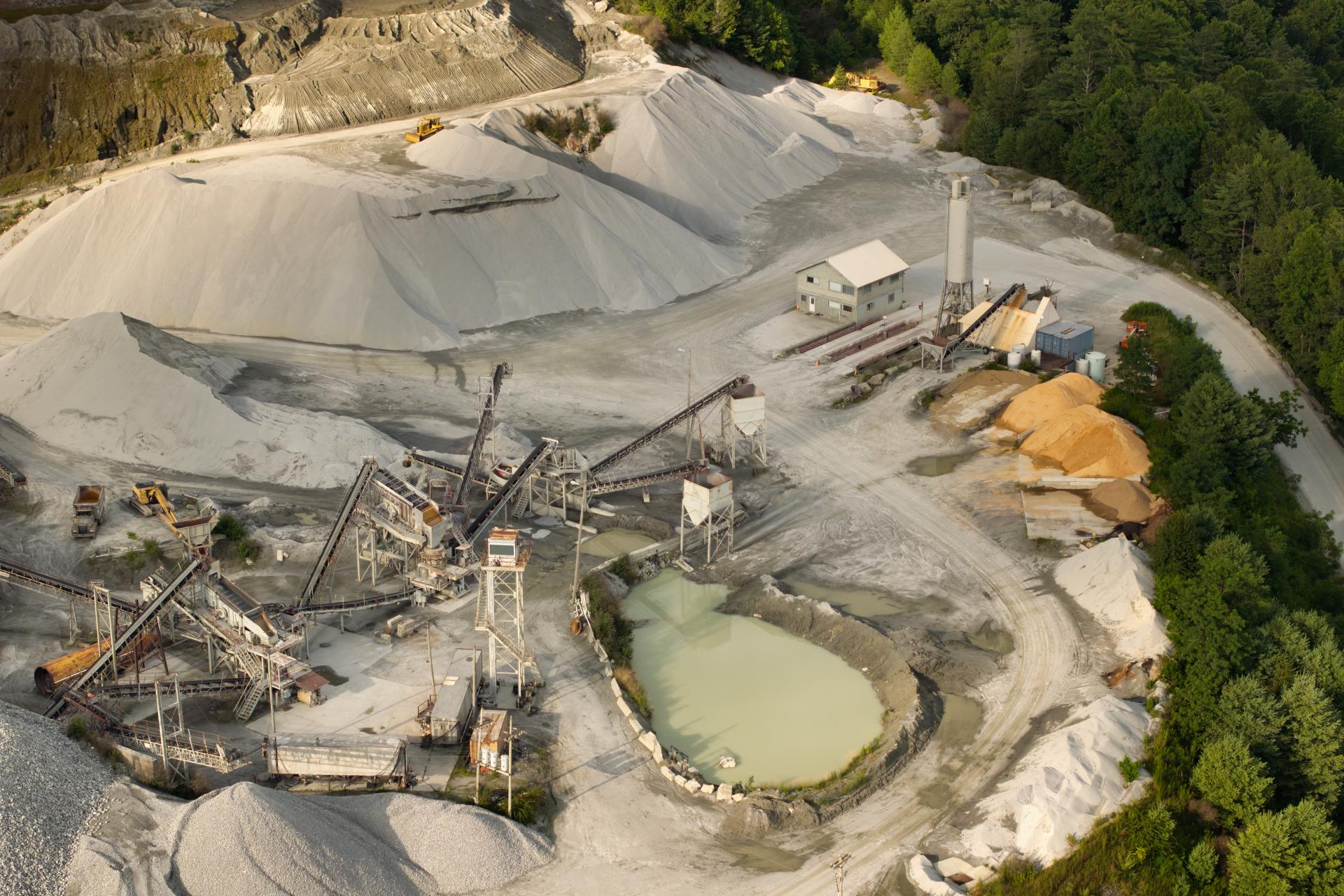
How to read an explosion-proof nameplate
A hazardous-location nameplate has to be read as a complete marking. “Explosion-proof,” an IP rating or a Zone number alone does not establish suitability.
For Zone-marked equipment, check:
- Canadian approval;
- type of protection;
- gas or dust group;
- temperature marking;
- Equipment Protection Level (EPL);
- ambient range and special conditions; and
- the exact catalogue number and options covered by the certification record.
EPL: Equipment Protection Level
EPL expresses the protection level assigned to equipment for an explosive atmosphere.
| Gas Zone | EPL normally associated with the Zone |
|---|---|
| Zone 0 | Ga |
| Zone 1 | Ga or Gb |
| Zone 2 | Ga, Gb or Gc |
| Dust Zone | EPL normally associated with the Zone |
|---|---|
| Zone 20 | Da |
| Zone 21 | Da or Db |
| Zone 22 | Da, Db or Dc |
The EPL cannot be checked in isolation. The permitted protection type, group, temperature and any restrictions in the marking or certificate still apply. Division-marked equipment follows the CEC permissions for Division equipment and does not necessarily carry an EPL.
Temperature markings
For gas Zones 0, 1 and 2, Rule 18-054 compares the equipment's maximum surface temperature rating with the minimum ignition temperature documented for the location. For dust Zones 20, 21 and 22, it compares the marked maximum external surface temperature with the lower applicable dust-cloud or dust-layer ignition temperature.
| T-code | Maximum temperature |
|---|---|
| T1 | 450 °C |
| T2 | 300 °C |
| T3 | 200 °C |
| T4 | 135 °C |
| T5 | 100 °C |
| T6 | 85 °C |
A higher T-number represents a lower maximum temperature. Do not choose a T-code from an industry example; compare the exact marking with the authenticated classification data and the product's rated ambient conditions.
Rule 18-054 also contains default and special temperature provisions. The project professional should apply the Rule to the actual marking rather than assuming an unmarked product is acceptable.
Gas and dust groups
Gas groups under Rule 18-050 include:
| Group | Examples named by the CEC |
|---|---|
| IIA | propane, gasoline, natural gas, ammonia |
| IIB | ethylene, butadiene, hydrogen sulphide, propylene oxide |
| IIC | acetylene, hydrogen, carbon disulphide |
IIC equipment may be used where IIB or IIA equipment is required. IIB equipment may be used where IIA equipment is required, subject to the rest of the marking.
Dust groups are:
| Group | Atmosphere |
|---|---|
| IIIA | combustible flyings |
| IIIB | combustible dust other than metal dust |
| IIIC | combustible metal dust |
When comparing Division and Zone groups, use CEC Table 18A and the documented substance. Division Group B does not translate to a single Zone group for every substance.
Example marking
A marking such as Ex db IIB T4 Gb indicates:
- an Ex “db” type of protection;
- gas Group IIB;
- a T4 maximum temperature rating; and
- EPL Gb.
It may be a candidate for a Zone 1 or Zone 2 location, but the Canadian certification mark, ambient range, special conditions, installation instructions and exact certification record still decide whether that model fits the application.
Three nameplates, read line by line
A Division-marked LED high bay: Class I, Division 1, Groups C, D; Class II, Division 1, Groups E, F, G; T4; Ta −40 °C to +55 °C. Suitable for Division 1 (and therefore Division 2) gas locations with Group C or D atmospheres and for Division 1 dust locations of the three dust groups; the surface stays at or below 135 °C; the marking is valid only between −40 °C and +55 °C ambient. Through CEC Appendix B this fixture is also a candidate for Zone 1 and Zone 2 of a compatible IEC group, once the Table 18A comparison is done for the actual substance.
A Zone-marked luminaire: Ex db eb IIC T4 Gb. Flameproof enclosure (db) with increased-safety (eb) terminations, Group IIC (covers hydrogen and acetylene as well as IIB and IIA gases), 135 °C, EPL Gb: a Zone 1 or Zone 2 candidate, not Zone 0.
A dust-rated fixture: Ex tb IIIC T135°C Db. Protection by enclosure (tb), conductive metal dust (IIIC), maximum surface temperature stated directly rather than as a code, EPL Db: Zone 21 or Zone 22.
None of the three says anything about the certification body or about which options the record covers. Those come from the certificate, which is why the exact catalogue number matters more than the series name.
Ambient temperature is part of the T-code
Surface temperature is measured at the highest rated ambient. A fixture marked T4 with Ta +40 °C is not T4 in a 55 °C compressor building: either the manufacturer provides a marking at the higher ambient or the fixture is out of scope. For LED luminaires the driver, not the LED board, usually sets the limit, which is why the same optical assembly can carry different T-codes and ambient ranges across a product family. LEDEX lists the ambient range beside every configuration; the ZENITH high-temperature series exists precisely because ordinary drivers stop at 40–55 °C.
How much margin does the Rule expect?
For gases and vapours the marked maximum surface temperature must not exceed the ignition temperature of the documented gas. For dusts the CEC follows the IEC installation method: the marked temperature must stay below two-thirds of the cloud ignition temperature and at least 75 °C below the layer ignition temperature for a 5 mm layer, with thicker layers requiring more margin. That is why a dust area often drives a lower T-code than the gas area next to it, and why housekeeping is part of the lighting design rather than a maintenance afterthought.
Where to find the marking on a LEDEX fixture
Every LEDEX hazardous-location series publishes its markings per configuration on the product page and in the certification record. The Class 1 Division 1, Class 1 Division 2 and Class 2 Division 1 hubs group the series by classification. The nameplate on the delivered fixture repeats the marking, the ambient range and the certificate number so the inspector can match it to the schedule.
What to request from your supplier
Ask the supplier for the certification record from an accredited Canadian certification body and confirm that the exact catalogue number and options appear in its scope. IECEx documentation can provide useful international product information, but IECEx alone does not cover Canadian approval.
Send LEDEX the complete classification and proposed catalogue number. We will provide available model-specific records and IES files for the project review.
Frequently asked questions
What does a T-code mean on an explosion-proof nameplate?
The T-code is the maximum surface temperature class of the equipment. It must be below the ignition temperature of the surrounding gas, vapour, or dust hazard.
What does EPL mean?
EPL means Equipment Protection Level. It describes how reliably equipment avoids becoming an ignition source in gas or dust hazardous locations.
Is a lower T-code number safer?
No. T1 permits a hotter surface than T6. The correct rating depends on the minimum ignition temperature of the hazard at the site.
Related resources
Zones vs Divisions Hazardous Locations Canada
Zones vs divisions hazardous locations Canada questions show up on specs, drawings, and nameplates. This guide explains how the two systems map and when each one controls.
Hazardous Location Classification Canada
Understand Canadian gas and dust Zones, how retained Divisions relate, who documents the classification and which complete markings equipment selection needs.
CEC, Illustrated — Part 1: Anatomy of a Class I, Zone 1 Lighting Installation
Explore a Class I, Zone 1 lighting and small-power diagram with plain-language CEC Section 18 notes for seals, supports, HL cable and flexible cords.