

C2D2 Lighting, C2D1 Fixtures and NEMA 4X: Canadian Code Explained
C2D1 fixtures can serve qualifying C2D2 dust locations. Annex J18 explains luminaire selection, dust-protected enclosures and the separate C1D2 non-sparking provision.
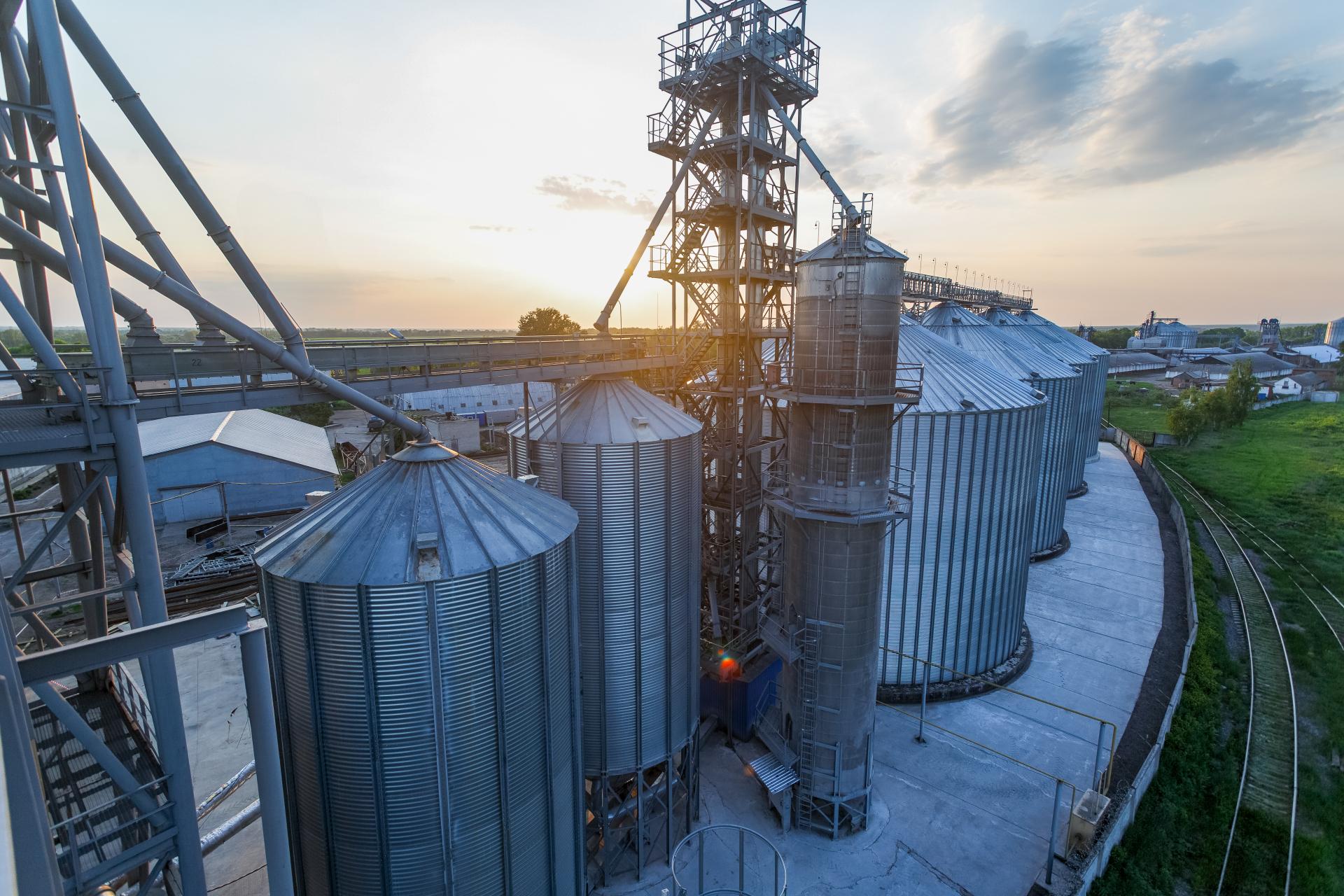
C2D1 and C2D2 in Canadian specifications
Your drawing identifies a Class II, Division 2 dust area. The lighting schedule calls for C2D1 fixtures, while the control panel beside them uses a Type 4X enclosure. To assess that combination, check the Canadian Electrical Code provisions for each equipment category.
Canadian specifiers and buyers continue to use C2D1 and C2D2. Both remain recognized equipment designations in the 2024 CEC. For a Division-classified installation, Annex J18 provides the rules needed to examine this lighting and enclosure question.
Class II covers combustible dust. Class I covers flammable gases and vapours. Keep that distinction in view: the specific Type 4X permission tied to non-sparking equipment appears under Class I, Division 2.
Selecting C2D2 lighting under Annex J18
Rule J18-268(1), for C2D2 luminaires, refers to J18-210, the C2D1 luminaire rule. In the 2024 edition, J18-210 addresses installation: suitable supports, pendant arrangements, secure threaded joints and the permitted wiring between the outlet and luminaire. The reference does not impose a C2D1 product marking on its own.
For equipment selection, J18-250(1) refers to Table 18. The Class II, Division 2 row includes both equipment suitable for C2D1 and equipment marked for C2D2. Read that permission with the group, marking and temperature requirements in J18-050, J18-052 and J18-054. CEC 2024, Table 18, printed pages 467–468.
A C2D1 luminaire is therefore a permitted option for a qualifying C2D2 application. An owner may specify C2D1 fixtures throughout its C2D2 areas to standardize purchasing or maintenance. Record that as a project requirement; the cited provisions do not establish a universal C2D1-only rule.
Check the Canadian certification record for the exact luminaire, its options and dust group. A C1D2 gas marking alone does not establish suitability for C2D2 dust.
Dust-protected enclosures in C2D2
J18-250(2) permits specified equipment in dust-protected enclosures. Its list includes switches, motor controllers, circuit breakers, fuses, meters, instruments, relays, transformers, impedance coils and resistors. It also covers signal, alarm, remote-control and communications systems.
Luminaires are absent from that list. You cannot apply the control-equipment permission to a complete luminaire by describing its housing as Type 4X.
The subrule also does not impose a blanket non-arcing condition on the listed equipment. Assess the actual device category and enclosure construction, together with applicable approval, marking and temperature requirements. J18-250(2) makes an exception to Subrule (1); it does not state an exception to J18-052's marking requirement.
For boxes and fittings containing taps, joints or terminal connections, J18-254(2) requires dust-protected construction. A terminal box and a complete luminaire therefore need separate equipment assessments. CEC 2024, J18-250 and J18-254, printed page 870.
The Type 4X non-sparking provision is for C1D2
J18-150(2)(c) permits equipment in a Type 4 or 4X enclosure, or an IP65 or higher enclosure, in Class I, Division 2 when the equipment:
- does not spark in normal operation;
- does not serve a heating purpose; and
- falls outside the other provisions of that subrule.
The equipment must also satisfy the applicable surface-temperature requirement in J18-054(5). J18-150(2) makes an express exception to J18-052, unlike the C2D2 enclosure provision discussed above. CEC 2024, J18-150, printed page 866.
Shortening this to “NEMA 4X is enough if the components are non-arcing” drops conditions and can confuse a gas permission with a dust application.
Sparking can matter under other provisions too. Table 18's “other electrical apparatus” category includes conditions concerning recognized industrial standards, ignition-capable hot surfaces and incendive arcs or sparks in normal service. That category requires its own assessment; it does not make non-arcing components plus a 4X box a general C2D2 approval.
The role of NEMA 4X
The CEC uses the designation Type 4X. Specifications often call it NEMA 4X. Its environmental protection includes windblown dust, water and corrosion; confirm the product's actual enclosure designation and Canadian approval. NEMA enclosure-type guide.
Appendix B's note to 18-002 identifies several enclosure types that meet or exceed dust-protected construction, including Types 4, 4X and 12. The project's washdown, weather and corrosion conditions may justify 4X. Dust protection alone does not make 4X the sole choice.
Keep the equipment-specific checks together:
| Equipment or application | CEC 2024 provisions to examine | Key distinction |
|---|---|---|
| C2D2 luminaire | J18-250(1), Table 18 and J18-268/J18-210 | Verify the complete luminaire and its installation; C2D1 equipment is one permitted option. |
| Listed C2D2 control equipment | J18-250(2) | The permission depends on the named equipment category and dust-protected enclosure. |
| C2D2 terminal or junction box | J18-254(2) | Maintain dust-protected construction at connections and entries. |
| C1D2 equipment using the non-sparking enclosure permission | J18-150(2)(c) and J18-054(5) | Meet the gas-location conditions, including sparking, heating and temperature limits. |
Zones and Division-marked products
The CEC preference for Zones in new area classifications does not make C2D1 or C2D2 product markings obsolete. Rules 18-000(3) and (4) address continued Division classification for specified work at existing facilities. Rule 18-050(7) also addresses Division-marked equipment used in Zone locations as permitted by Table 18, with group correspondence under Table 18A.
Start with the authenticated classification drawing. Keep C2D2 terminology for a C2D2 project and check Annex J18; for a Zone-classified project, follow its applicable Section 18 rules. See Zones versus Divisions in Canadian hazardous locations.
Put the requirement in the fixture schedule
For C2D2 lighting, identify the required dust group, maximum surface temperature, ambient range and Canadian approval for the exact model. Add mounting and entry requirements. State any owner requirement for C2D1 fixtures so bidders can distinguish it from the Code's permitted alternatives.
Apply J18-054(2) and (3) to temperature selection. For organic dusts that may dehydrate or carbonize, the marked maximum surface temperature must not exceed the lowest of 165 °C, the dust-layer ignition temperature and the dust-cloud ignition temperature.
For an enclosure assembly, document its internal equipment and the exact permission used. Verify that entries, glands and closed unused openings preserve the required protection.
Send LEDEX your authenticated classification drawing, fixture schedule, dust data and site conditions. We can identify candidate models from our hazardous-location lighting range and available certification records for review by the project professional and authority having jurisdiction.
References use CSA C22.1:24, the 2024 CEC. Confirm the edition and amendments adopted for the project, the product certificate and installation instructions with the responsible professional and authority having jurisdiction.
Frequently asked questions
Are C2D1 and C2D2 still used in Canada?
Yes. C2D1 and C2D2 remain recognized equipment designations in the 2024 CEC. Annex J18 addresses Division-classified installations. The preference for Zones in new area classifications does not make Division product markings obsolete.
Does C2D2 lighting have to carry a C2D1 rating?
The cited 2024 provisions do not impose a universal C2D1-only requirement. J18-268(1) refers to J18-210's installation requirements. J18-250(1) and Table 18 permit both suitable C2D1 equipment and equipment marked C2D2, subject to the applicable approval, group and temperature requirements. An owner may specify C2D1 as a project requirement.
Is NEMA 4X enough for C2D2 if the components are non-arcing?
That is not a general C2D2 permission. J18-150(2)(c) ties Type 4/4X or IP65-or-higher enclosures to non-sparking and other conditions in C1D2 gas locations. For C2D2 dust, J18-250(2) permits specified equipment in dust-protected enclosures without stating a blanket non-arcing condition. Luminaires are absent from that list.
Can a Type 4X control enclosure and a C2D1 luminaire serve the same C2D2 area?
They can be candidates under different provisions. Check the luminaire under J18-250(1), Table 18 and J18-268, and the listed control equipment under J18-250(2). Verify the exact models, applicable markings and Canadian approval, temperature limits, enclosure entries and installation conditions before acceptance.
Related resources
Hazardous Location Luminaire Guard Rules
Hazardous location luminaire guard rules cover more than the fixture rating. Inspectors also check guards, pendant stems, bracing, flexible cord limits, and anti-loosening hardware.
Zone 1 Sealing Requirements Canada: 5 Mistakes
Zone 1 sealing requirements Canada projects often fail on distance, factory-sealed assumptions, boundary seals, and migration seals. Here are the five mistakes to catch early.
Explosion-Proof Junction Box Selection Guide for Canada
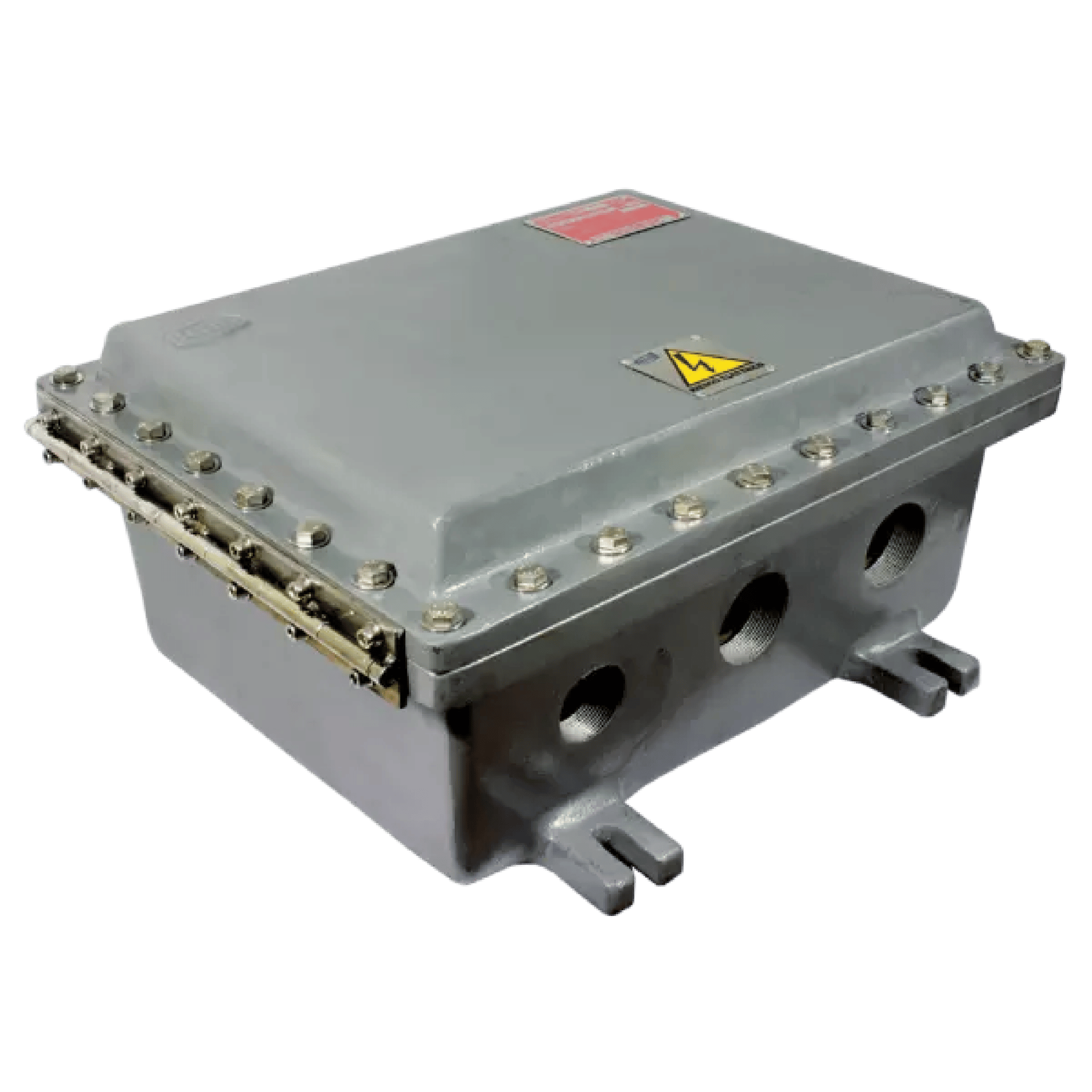
Compare outlet bodies, GUB instrument boxes and bolted enclosures, then verify the exact marking, usable space, entries and seal schedule before ordering.